GOTS — the Global Organic Textile Standard — is the closest thing the apparel industry has to a single legitimate definition of "organic textile." It covers both the material (the fiber itself) and the processing (how that fiber becomes a finished garment). This article walks through what it actually means, what it costs, and whether it's right for your brand.
What GOTS certifies
GOTS audits every facility in the chain of custody from farm to finished product. That includes:
- The farm — organic-fiber certification (via USDA Organic, India NPOP, EU Organic, etc.)
- The ginner — cotton ginning facility that separates fiber from seed
- The spinner — turns fiber into yarn
- The knitter / weaver — turns yarn into fabric
- The dye house / finisher — applies color and finish
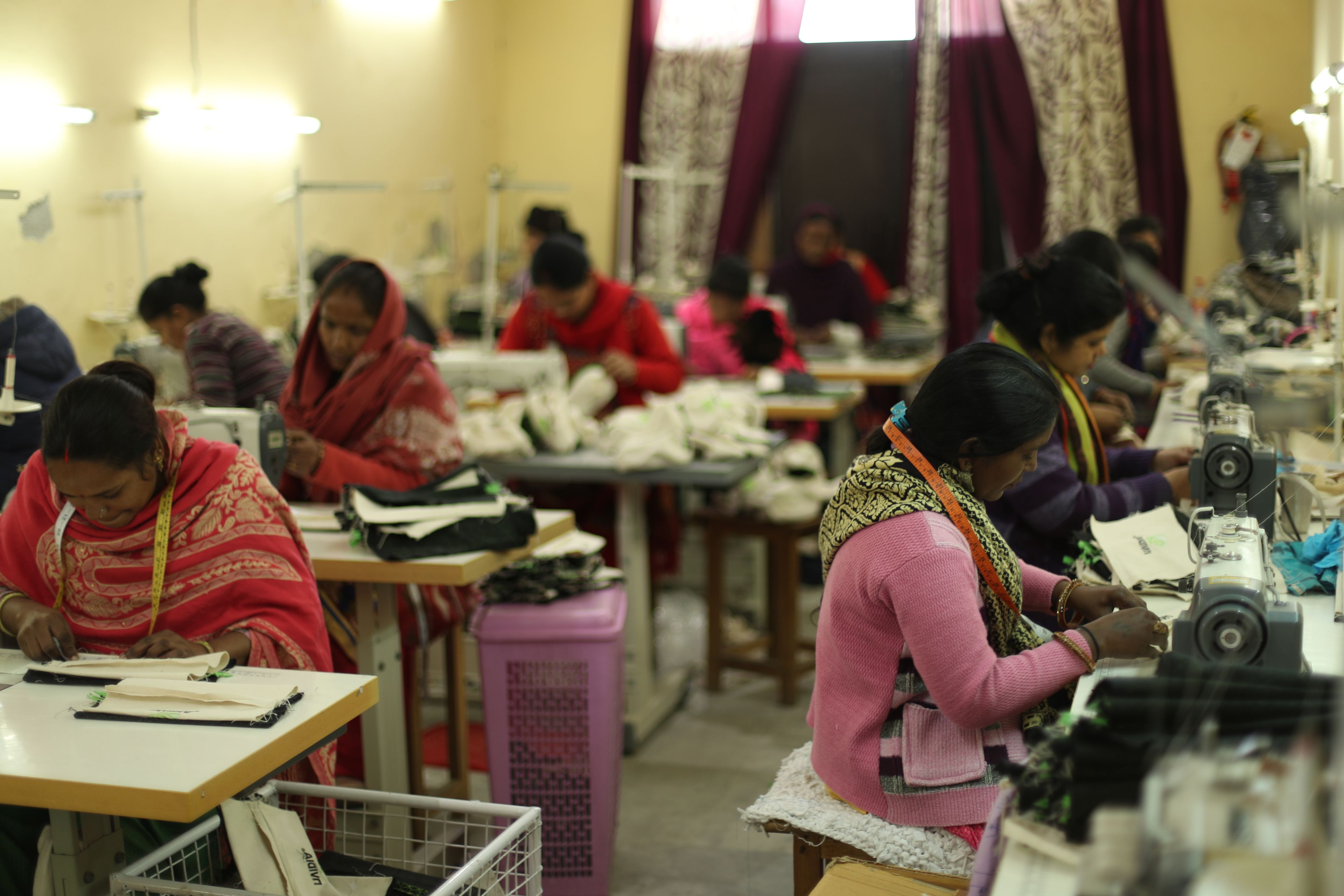
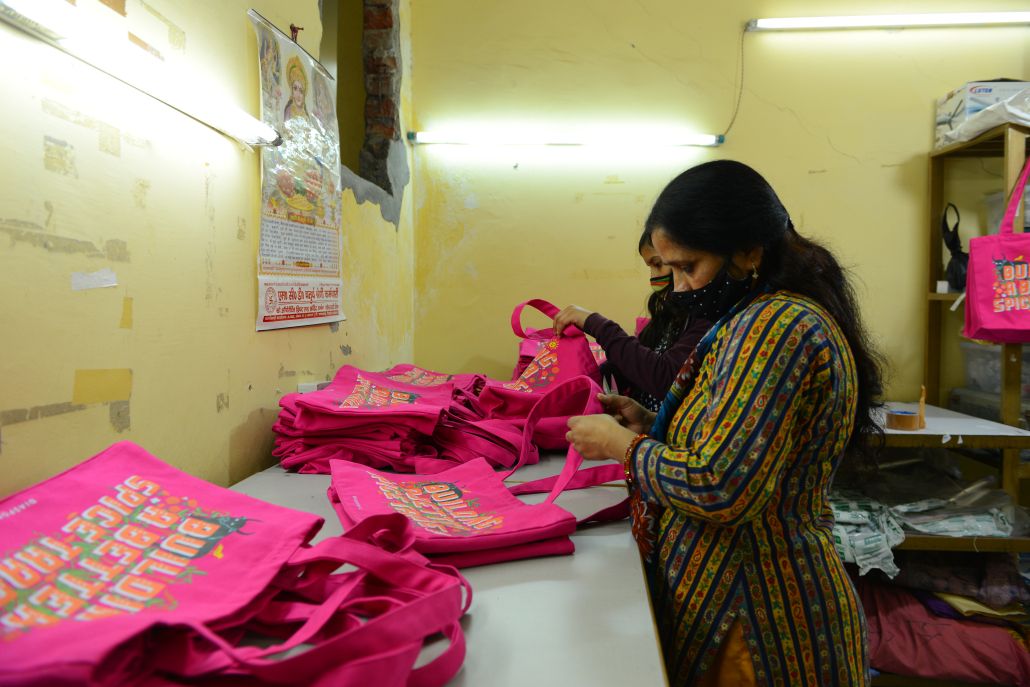
- The cut-and-sew factory — turns fabric into garments
- The printer / embroiderer — any applied decoration
- The packer / labeler — final packaging
At each stage, the facility holds a GOTS license, undergoes annual on-site audits, keeps batch records linking GOTS-certified inputs to outputs, and physically segregates GOTS material from non-GOTS material.
The standard itself covers four areas:
- Minimum organic fiber content — 95% for "organic" grade, 70% for "made with organic"
- Processing chemistry — restricted substances, banned dyes, wastewater treatment, prohibited GMOs and nanoparticles
- Environmental management — energy, water, waste, chemical storage
- Social criteria — ILO-aligned labor standards: no forced labor, no child labor, freedom of association, reasonable hours, living wages, non-discrimination
Two grades, one label
Both grades appear on the market as "GOTS-certified" — the difference is the fiber content percentage:
- "Organic" (label class 1) — ≥95% certified organic fiber
- "Made with organic" (label class 2) — ≥70% certified organic fiber
Most brands doing "organic cotton t-shirts" aim for the higher grade (100% organic cotton). Brands using blended fabric (e.g. 70% organic cotton + 30% Tencel) can still claim GOTS at the lower grade.
What it costs
GOTS certification is paid for by each facility in the chain. A factory's annual audit fee typically runs $2,000-6,000 depending on size, location, and the certifier. That cost gets passed through to buyers in per-piece pricing — usually 3-8% over non-GOTS equivalent production.
For a brand buying from an already-certified factory, there is no direct certification cost to the brand. The brand pays for the production (which reflects the factory's audit overhead) and receives garments that can be labeled GOTS.
For a brand building its own GOTS-certified line (e.g. placing the GOTS mark on its hang-tag as the brand of record), the brand itself typically needs to register as a GOTS "scope certificate" holder, which adds its own audit fee. Many small brands skip this and simply work through already-certified factories that handle the label class on the brand's behalf — check with a certifier whether this satisfies your claim.
When it's worth it
- When your core marketing claim is "organic"
- When your retail partners require it (Whole Foods, some department stores, many EU retailers)
- When your customer base is sophisticated enough that "organic" without a certification mark looks weak
When it isn't
- When you're not making an organic claim to consumers
- When you're a very early-stage brand and the 3-8% cost premium meaningfully changes your unit economics
- When you plan to use deadstock or recycled fiber as your primary materials (neither supports a GOTS chain of custody)
Verifying a GOTS claim
Every GOTS-certified facility has a license number. Global Standard gGmbH (the body that owns GOTS) publishes a public database at global-standard.org where you can search by facility name or license number. If a factory claims GOTS but can't produce a license number that validates against the public database, they're lying.
Before committing production, ask for:
- GOTS license number
- Certifier name (Control Union, Ecocert, Soil Association, etc. — the certifier matters; they're the ones actually auditing)
- Most recent audit report date
- Confirmation the facility holds the specific scope you need (e.g. "cut-and-sew" vs "print-only")
Frequently asked questions about GOTS certification
Do I need my own GOTS license as a brand?
Only if you want the GOTS mark itself on your hang-tag. For that, you need to register as a "scope certificate" holder — which carries its own audit fee (typically $1,500-4,000 annually). Many small brands skip this by working through a factory that handles the label class for them. Ask your certifier which route applies to your claim.
What happens if a factory loses GOTS certification mid-season?
You can no longer label in-progress production as GOTS. Garments already made under valid certification retain their status. Factories usually lose certification at an annual renewal due to a failed corrective action — rarely a surprise, usually a warning was issued months prior. Ask your factory about their most recent audit findings before signing.
Can I mix GOTS and non-GOTS materials?
At the 70-95% "made with organic" grade, yes — the non-organic portion must come from the GOTS-approved material list (no virgin polyester, no materials grown with prohibited chemistries). Below 70% organic, you lose GOTS eligibility entirely.
How much of my product qualifies as "organic" under GOTS grade 1?
≥95% of the fiber weight must be certified organic. Accessories (buttons, zippers, labels) are exempt and don't count against the percentage. Thread usually does, so specify GOTS-approved thread in your tech pack.
Is GOTS the same as OCS (Organic Content Standard)?
No. OCS is fiber-only — it tracks organic content through the supply chain but imposes no requirements on processing chemistry, wastewater, or worker welfare. GOTS is broader: OCS-level fiber tracking plus all the processing and social criteria. A GOTS-certified garment is also OCS-compliant; the reverse is not true.
Related reading
- GOTS vs "Organic Cotton": What's Actually Certified — the difference between fiber-only claims and full GOTS chain of custody.
- SA8000 vs Fair Trade vs BSCI: Which Social Audit Matters — GOTS covers processing; these are how you verify labor practices.
- How to Vet an Overseas Clothing Manufacturer — where verifying certifications fits in the wider vetting playbook.
Found this useful?
Share it with your network