Pillar 01
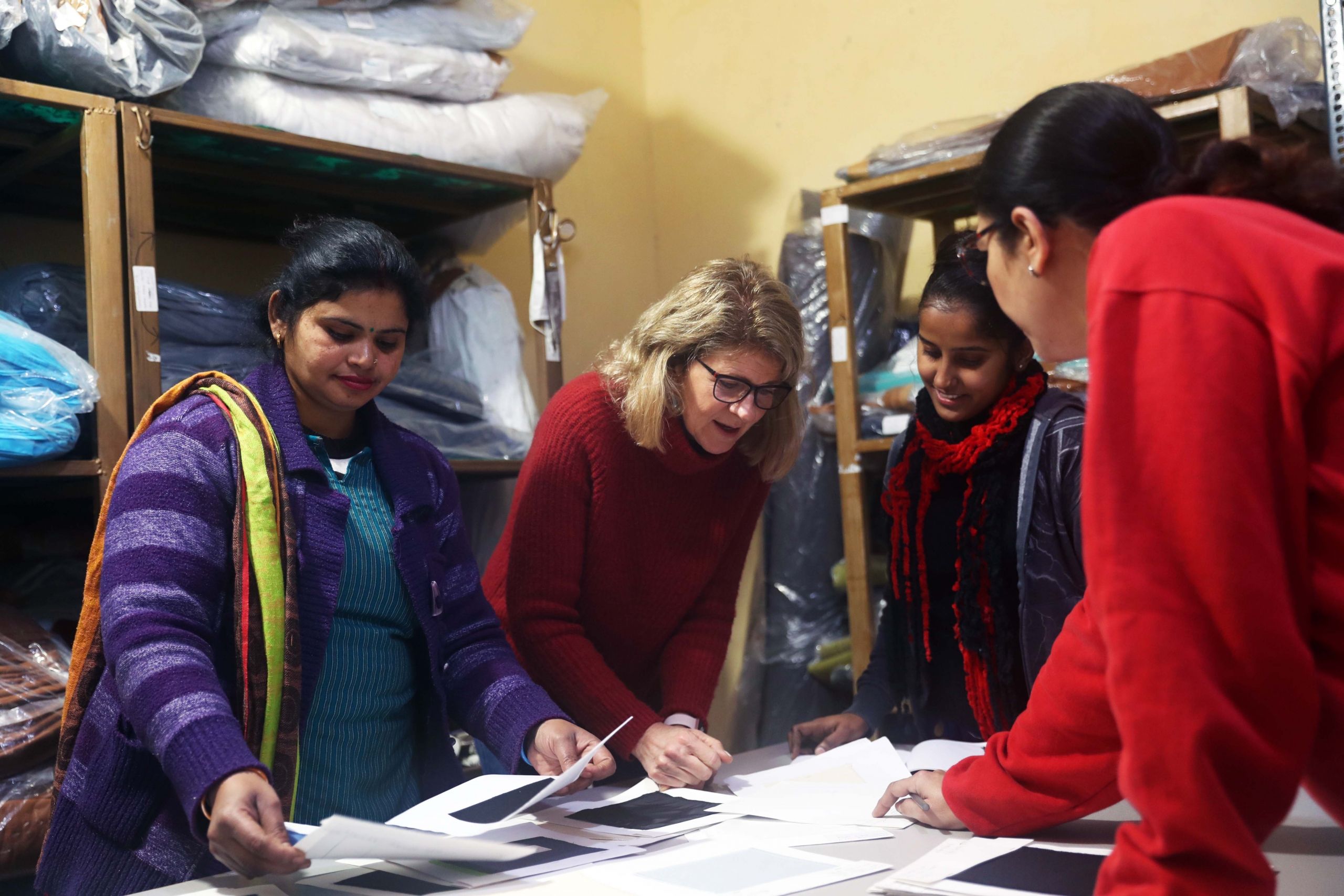
Ethical Manufacturing in India
How apparel manufacturing actually works in India — the regions, the audit landscape, and what "ethical" means when a buyer uses the word.
4 articlesExplore pillar

Evergreen guides on sustainable materials, supply-chain transparency, MOQs, certifications, and the practicalities of producing responsibly — written for brand founders and sourcing leads.
Start here
A recommended reading order for founders taking a product from idea to bulk production. Each step links to the guide that answers the question you're about to ask.
Nine Pillars
Nine topic areas we think every brand building a product should understand. Start with the pillar closest to your next decision — materials if you're choosing fabrics, sourcing if you're evaluating a factory, certifications if you're making a claim on a label.
Featured article
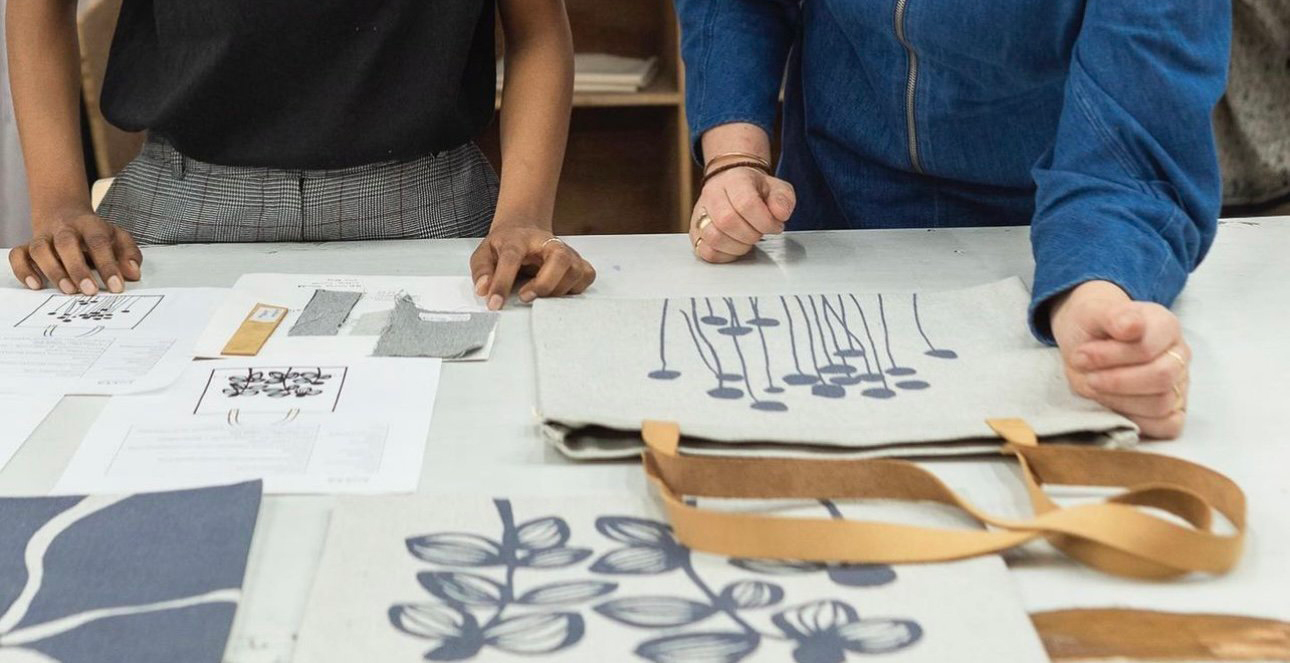
The 15–30% premium for ethical production, broken into the line items that cause it: wages, audit fees, lower throughput, compliant chemistry. Defend the budget with specifics, not platitudes.
The honest guide to fabric choices — organic cottons, recycled polyesters, Tencel, deadstock, and how to read a materials claim without getting greenwashed.
GOTS, Fair Trade, SA8000, BSCI, Sedex, Higg. What each certification actually audits, how they're different, and which one your factory needs.
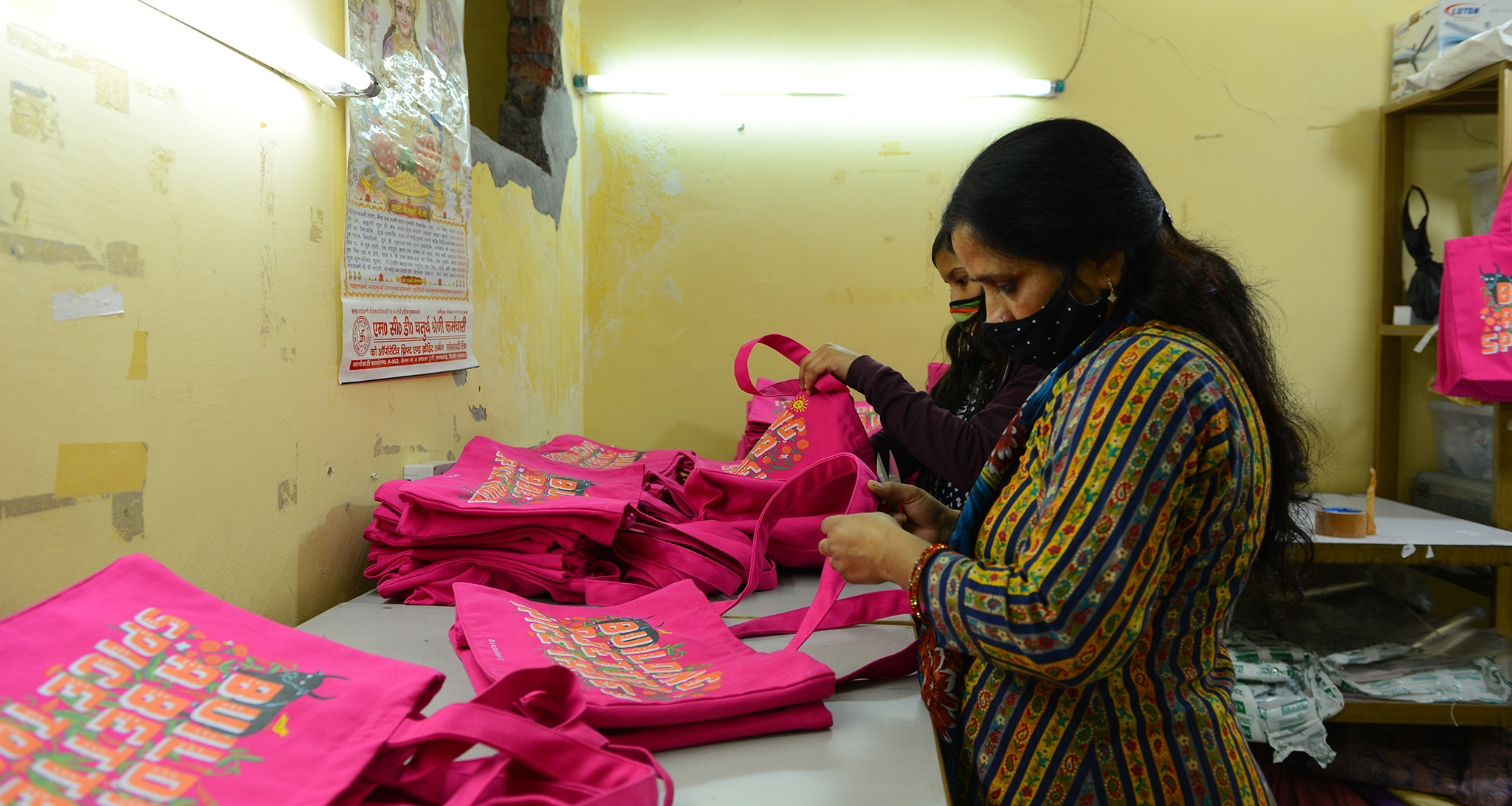
The mechanics nobody explains upfront: minimum order quantities, sampling costs, landed-cost math, and the realistic 90-day timeline from tech pack to shipped bulk.
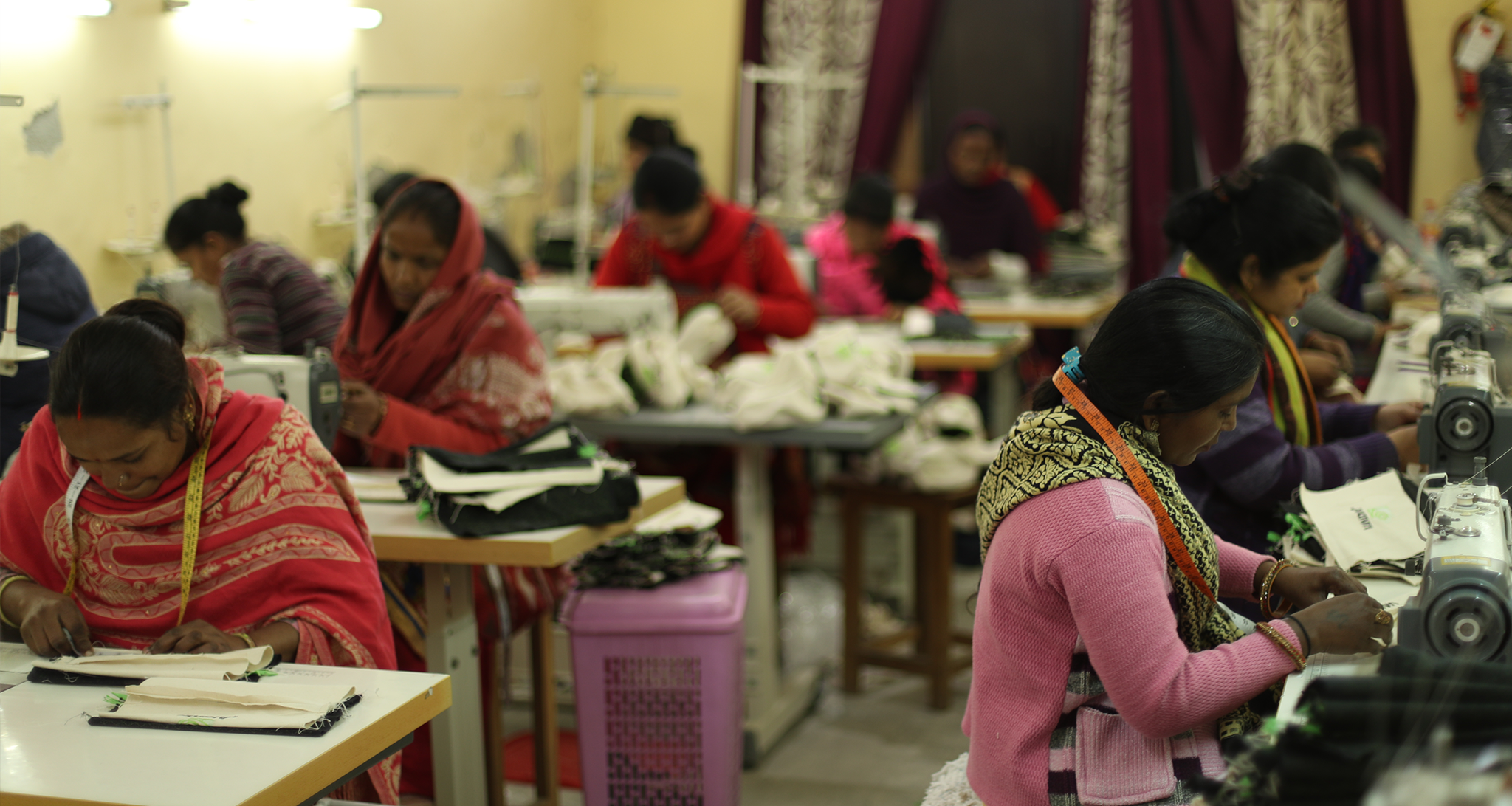
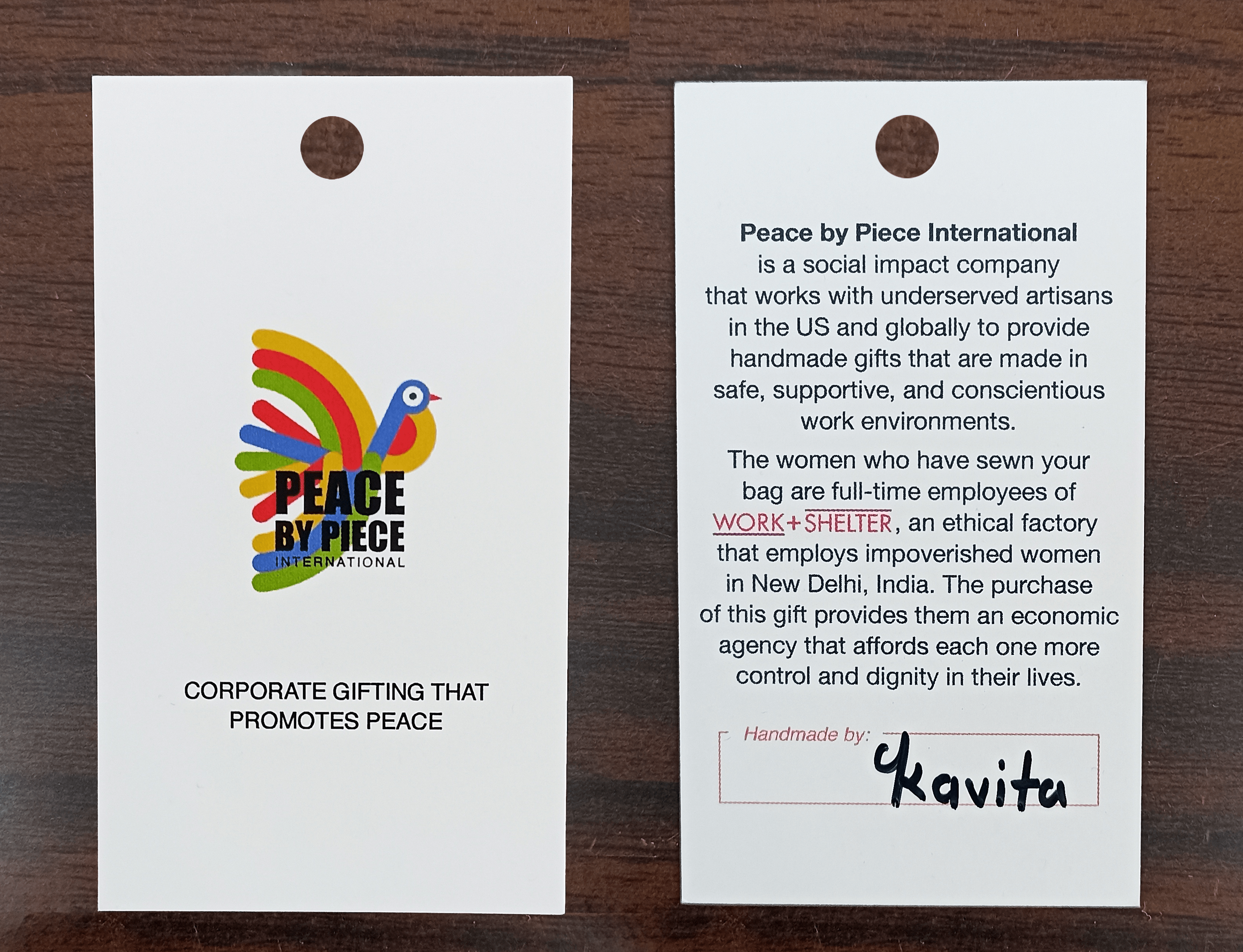
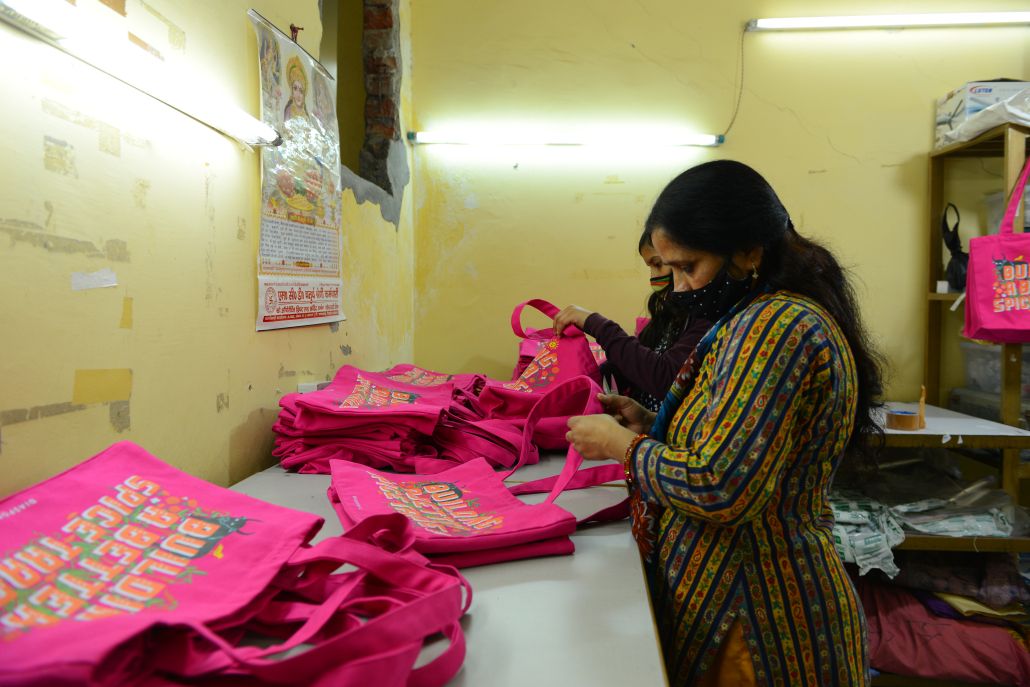
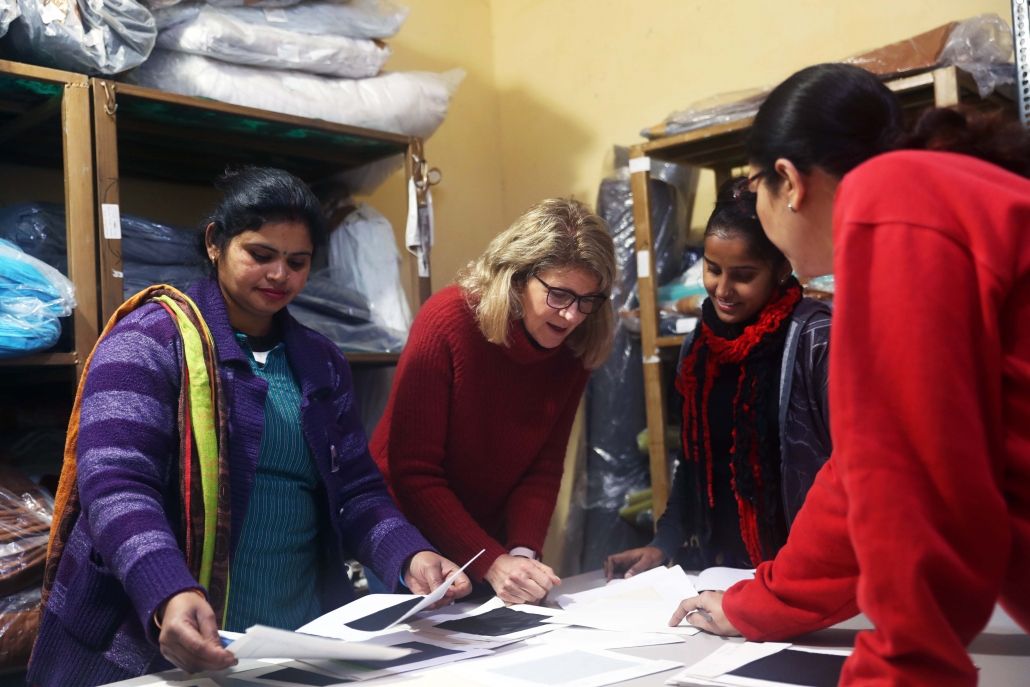
The garment industry employs tens of millions of women worldwide. What does it look like when the factory floor is also led by women?
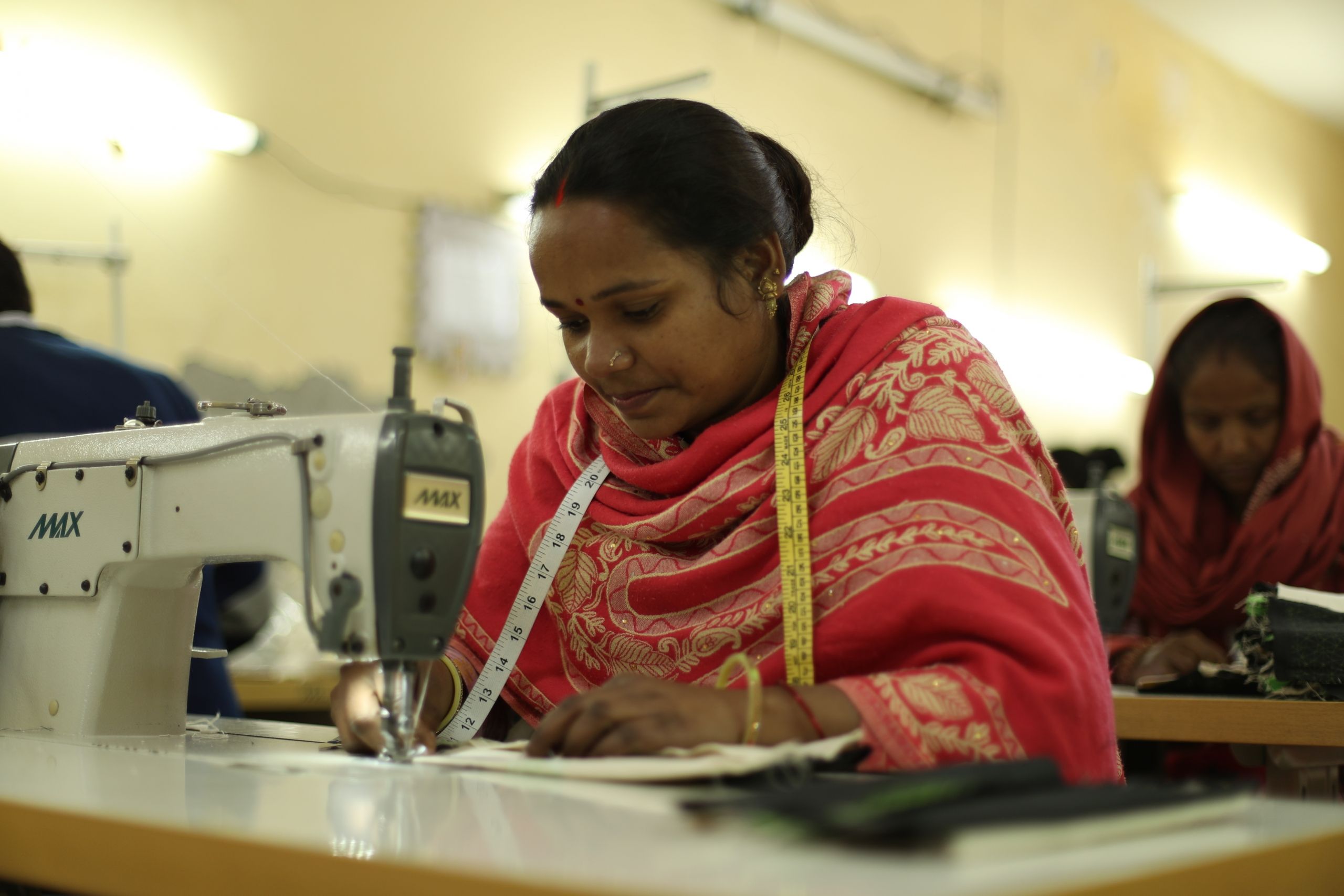
How to find, vet, and switch apparel manufacturers without losing a season. The playbook most brands learn the expensive way.
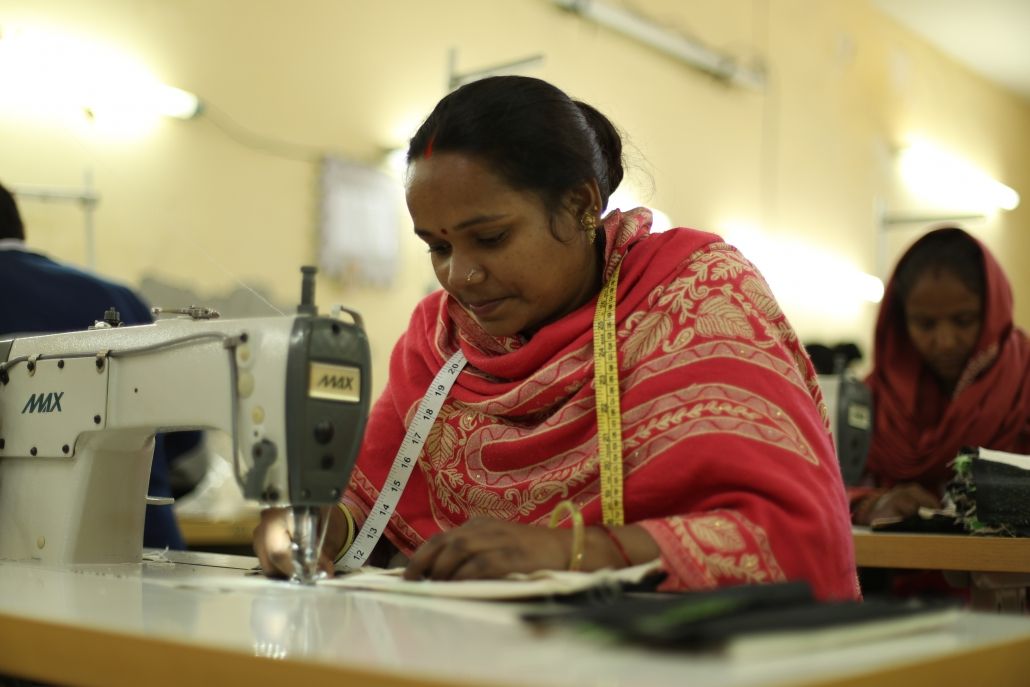
The sample-to-bulk pipeline — proto, fit, pre-production samples, how long each stage takes, and the common reasons sampling quietly eats a season.
Labels, hangtags, packaging, Incoterms, duties and freight — the part of the margin that most founders discover only after the first invoice.
Product passports, QR codes, and turning real compliance work into claims customers can verify — without greenwashing your way into a complaint.
Fresh reads
The four sample stages every production run passes through, what each one is actually for, and the realistic timeline if your tech pack is clean.
Main labels, care labels and hangtags — what each must legally contain by market, and how to spec them so they don't become a re-quote.
How a QR code on a care label connects a garment to its documented story — and why the QR is the easy part and the honest record is the hard part.
The three failure modes that turn a four-week sampling phase into a twelve-week one, and the fixes that cost nothing but discipline.
The three shipping terms you'll actually be quoted — EXW, FOB and DDP — what each includes, and why the difference can be 15-25% of landed cost.
The one rule that keeps your marketing honest: every claim must map to a document you can produce in a day. Here's the checklist and the language.
Ready when you are
We work with emerging and established apparel brands on ethical, women-led production in India. If you have a tech pack or even just a concept, we can walk you through what's possible.
Occasional notes on new products, partner stories, and behind-the-scenes from our workshop. A few emails a year — no spam, unsubscribe any time.
By subscribing you agree to our privacy policy.