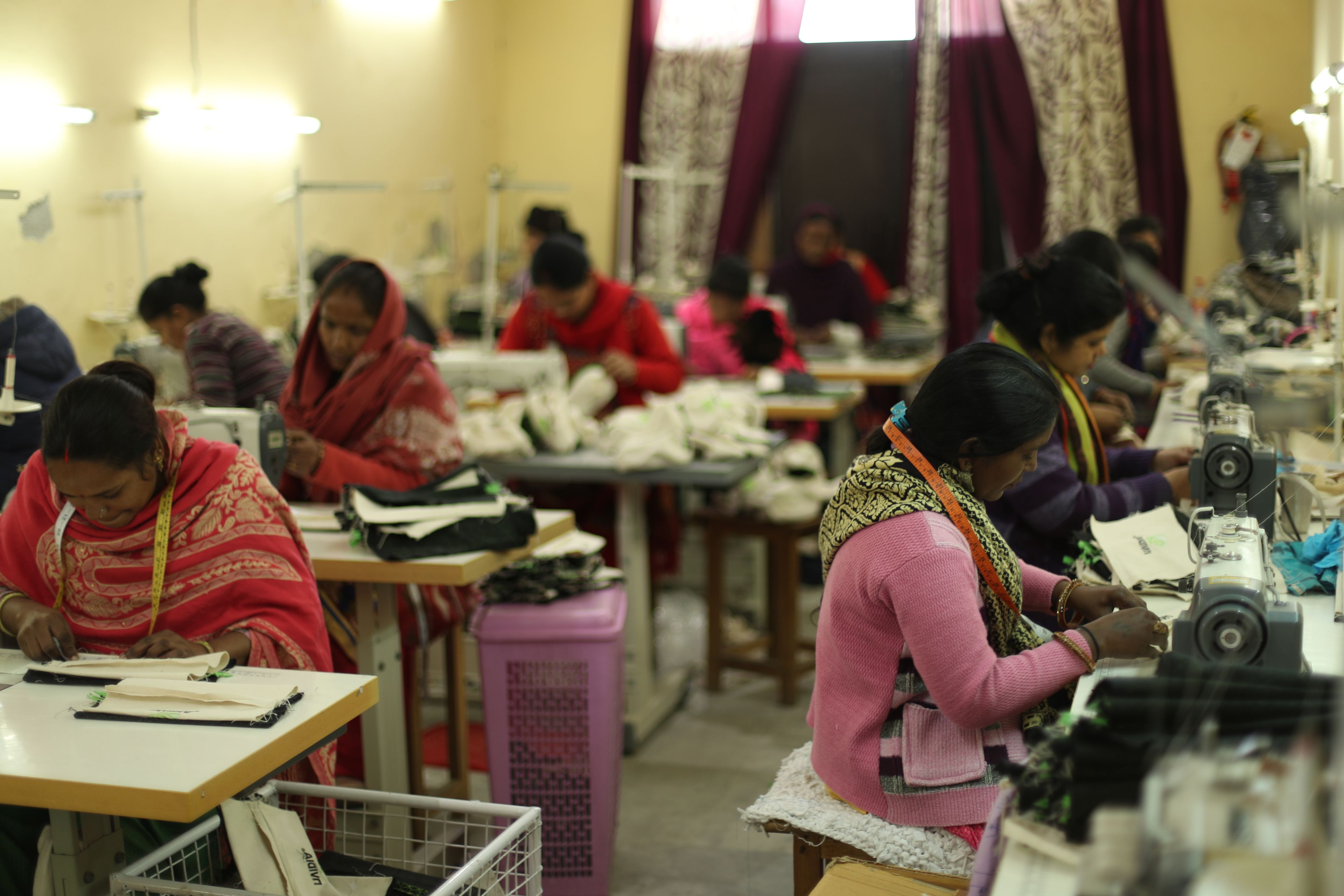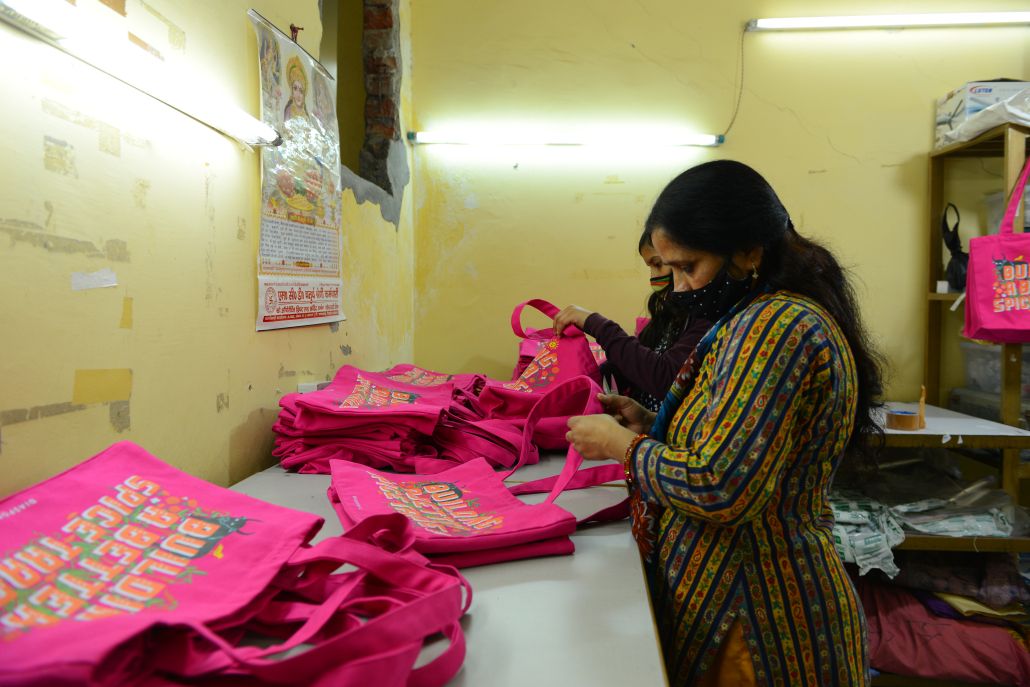
Walk into any ethical-apparel factory in India, Bangladesh, or Vietnam and you'll see a wall of audit certifications. SA8000, BSCI, Fair Trade, SMETA, WRAP, and a dozen buyer-specific codes of conduct. The frameworks share a lot of ground — they all cover forced labor, child labor, wages, hours, and health & safety — but the depth and the mechanism differ. Here's what each one actually measures.
SA8000
Who runs it: Social Accountability International (SAI), a US nonprofit.
What it is: A voluntary social-compliance certification standard based on ILO conventions, UN declarations, and national laws. Organizations that meet the standard earn SA8000 certification, audited annually by SAI-accredited third parties.
What it measures, across nine areas:
- Child labor — not permitted, strict age verification
- Forced labor — prohibited, including bonded and prison labor
- Health and safety — accident prevention, training, PPE, clean drinking water, sanitation
- Freedom of association and right to collective bargaining
- Discrimination — based on race, gender, religion, age, disability, etc.
- Disciplinary practices — no corporal punishment, verbal or physical abuse
- Working hours — maximum 48 regular + 12 overtime weekly
- Remuneration — living wages, no illegal deductions
- Management systems — policies, training, record-keeping, corrective action
Rigor: high. SA8000 audits are considered among the most substantive in apparel. They include worker interviews (conducted off-site where feasible, to reduce retaliation risk), document review, and facility walkthroughs.
What it does not cover: environmental compliance, materials traceability, chemistry.
Fair Trade (USA and International)
Who runs it: Fair Trade USA (for the US market) and Fairtrade International (for most other markets). Different standards with overlapping principles.
What it is: Not just a compliance standard but a premium-pricing model. Brands that source Fair Trade pay an additional fee (typically 1-10% of the FOB value) that goes directly into a Premium Fund controlled by the factory's workers, who decide collectively how to spend it (scholarships, health benefits, infrastructure, etc.).
What it measures:
- All the core social-compliance ground (forced labor, child labor, wages, hours, safety, freedom of association)
- The existence and proper functioning of a democratic worker committee that administers the premium
- Transparent records of premium payments and their disbursement
- Environmental rules (Fair Trade USA's apparel standard includes some chemistry restrictions)
Rigor: high on the premium mechanism, moderate-to-high on baseline compliance. The distinguishing feature is the money flowing directly to workers, which other standards don't have.
Commercial mechanic: The brand commits to paying the premium on every unit. The worker committee decides what to do with the pooled funds.
BSCI (amfori BSCI)
Who runs it: amfori, a Brussels-based business association. Funded by its member companies (H&M, Zara, Adidas, Inditex, Tesco, and hundreds of others).
What it is: A buyer-led code of conduct with a third-party audit framework. Member buyers agree to audit their suppliers against the same code. The audits are shared across members, reducing duplicate audit burden on factories that sell to many brands.
What it measures:
- 13 principles covering the same social-compliance core (forced labor, child labor, wages, hours, safety, discrimination, freedom of association)
- Environmental basics
- Business ethics (anti-corruption)
Rigor: moderate. BSCI audits have historically been lighter than SA8000 — shorter duration, less worker-interview emphasis. amfori has been pushing audit quality up over the last several years.
Audit output: a BSCI audit report with a letter grade (A through E), shared on amfori's platform. "A" is exemplary; "E" means the facility failed multiple zero-tolerance criteria.
What makes it common: BSCI is the compliance baseline most large European retailers require. It's less meaningful as a standalone marketing claim than SA8000 or Fair Trade, but very meaningful as a precondition to doing business with most major European buyers.
SMETA (Sedex)
Who runs it: Sedex, a UK nonprofit.
What it is: Not a certification — it's an audit framework. SMETA (Sedex Members Ethical Trade Audit) reports are published on the Sedex platform, where member buyers can request access.
Advantage: one audit, many buyers. SMETA is a de facto standard for sharing social-compliance data between factory and buyer without each buyer sending its own auditor.
Rigor: depends on the auditor. SMETA 4-pillar audits (labor, health & safety, environment, business ethics) are substantive; 2-pillar audits (labor, health & safety only) are lighter.
Which one matters for your brand
- Selling to major European retailers: BSCI or SMETA is the price of entry
- Selling on an ethical/fair-trade story to sophisticated customers: Fair Trade USA or SA8000 carry more marketing weight
- Making a specific, defensible worker-impact claim: Fair Trade, because of the premium-to-workers mechanic
- Building a rigorous compliance program without making public claims: SA8000 is the gold standard
- Most mid-size ethical brands: a factory with both SA8000 (for depth) and Sedex/SMETA (for buyer-sharing convenience) is a strong combination
What to ask a factory
- What social-compliance audits do you currently hold?
- Can I see the most recent audit report (not just the certificate)?
- Who was the auditor?
- What were the findings and corrective actions?
- If none exist, would you be willing to undergo one as a condition of our partnership?
A factory that hands over the full audit report is a factory confident in it. A factory that gives you only the certificate and deflects on the report is telling you something else.
Frequently asked questions about apparel social audits
Which audit should I ask a factory for first?
SA8000 if you're building a premium ethical brand — its depth carries marketing weight. Sedex SMETA if you're planning to sell into a major European retailer — it's the industry-default report format. Fair Trade USA if your specific claim is the worker-premium model. Most established ethical factories hold two or three of these simultaneously; ask which ones they'll share full reports for.
Can one factory hold multiple certifications?
Yes, and most export-oriented factories do. A typical ethical Indian factory might hold GOTS (materials + processing), SA8000 (labor), and Sedex SMETA (buyer-facing audit format). Each has its own annual fee and audit cycle.
How often are audits renewed?
Annually for all the standards listed here. A valid audit report is typically 12 months old or less. If a factory shows you a report from 18+ months ago, the certification may have lapsed.
What's the difference between a SMETA 2-pillar and 4-pillar audit?
2-pillar covers labor standards and health & safety. 4-pillar adds environment and business ethics. 4-pillar is the stronger signal; many buyers specifically request it. If a factory only has 2-pillar, ask why — for export apparel, 4-pillar is usually the expectation.
Do these audits include unannounced visits?
Announced visits are standard; unannounced visits happen but are rarer (SA8000 requires some unannounced surveillance audits; SMETA can be run either way). Some of the strongest factory-verification work is not a certification audit at all — it's an ongoing program like ILO Better Work, which runs continuous monitoring.
Related reading
- GOTS Certification Explained for Fashion Brands — the companion audit that covers materials and processing.
- How to Vet an Overseas Clothing Manufacturer — where social-compliance audits slot into the wider vetting checklist.
- What a Women-Led Factory Floor Actually Changes — the operational reality an audit report only partly captures.
Found this useful?
Share it with your network