
The honest guide to fabric choices — organic cottons, recycled polyesters, Tencel, deadstock, and how to read a materials claim without getting greenwashed.
Materials are where most sustainability claims are won or lost. Brand marketers love clean one-liners ("made with organic cotton"), but the certification that gives that claim its legal teeth is usually somewhere between buried and absent. This pillar walks through the fabrics you'll actually encounter and what the paperwork on each one really says.
What makes a fabric "sustainable"
There's no single answer. A useful frame is three axes: how it's grown or produced (pesticide use, water, land), how it's processed (chemistry, energy, effluent), and what happens at end of life (biodegradable, recyclable, microplastic-shedding). A fabric that wins on one axis often loses on another — conventional cotton is biodegradable but grown with massive water and pesticide inputs; recycled polyester diverts plastic from landfill but sheds microplastics forever.
The fabrics worth knowing
- GOTS-certified organic cotton — Organic cotton with a full chain-of-custody certification, tested at every stage from field to finished garment. The only cotton label that means what the average shopper assumes "organic" means.
- Recycled polyester (rPET) — Polyester made from post-consumer plastic bottles. Lower carbon than virgin poly but still sheds microplastics in the wash.
- Tencel Lyocell — Cellulose fiber made from wood pulp in a closed-loop solvent process. Biodegradable, soft-hand, reliably from responsibly-sourced forests when FSC-certified.
- Deadstock — Surplus fabric from other mills' overproduction. Zero new resource inputs but unpredictable supply and often no traceability upstream.
- Linen and hemp — Low-input bast fibers, good on water, biodegradable. Rougher hand and more expensive.
Who this pillar is for
Designers choosing fabric for the next collection, founders writing their first sustainability page, and sourcing leads comparing two fiber offers that look identical on a spec sheet but cost very different amounts.
In this pillar
5 guides to read
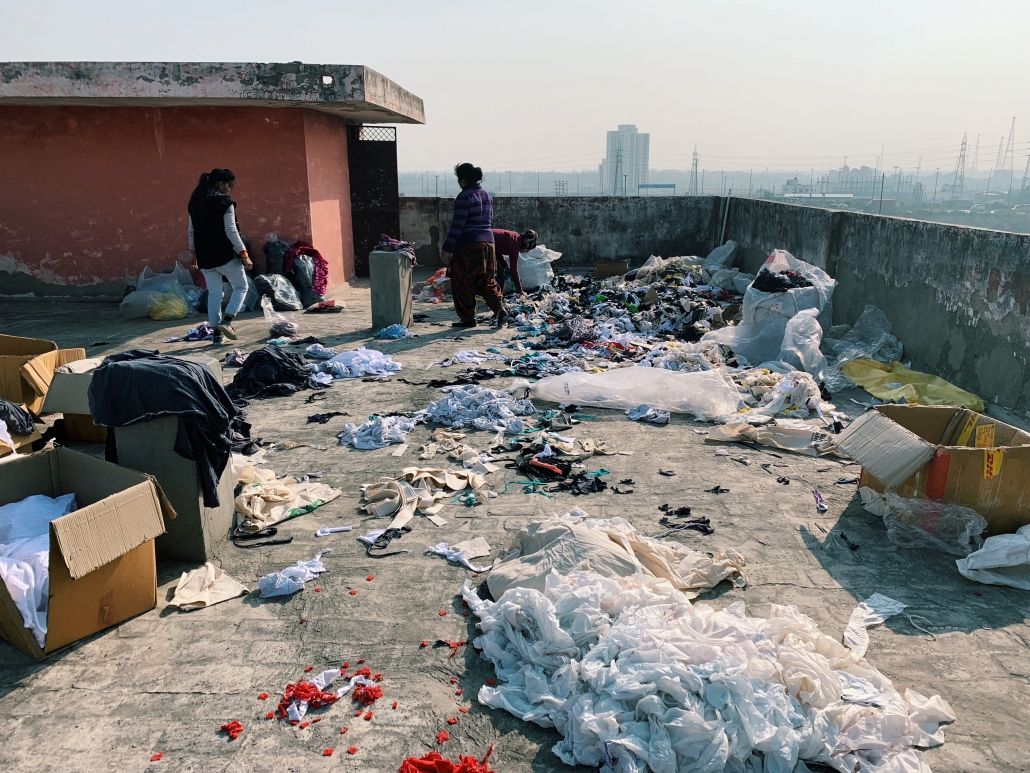
GOTS vs "Organic Cotton": What's Actually Certified
A shirt labeled "organic cotton" can mean anything from rigorously certified to lightly fibbed. Here's what GOTS actually covers, what a plain "organic" claim usually doesn't, and how to read the difference.
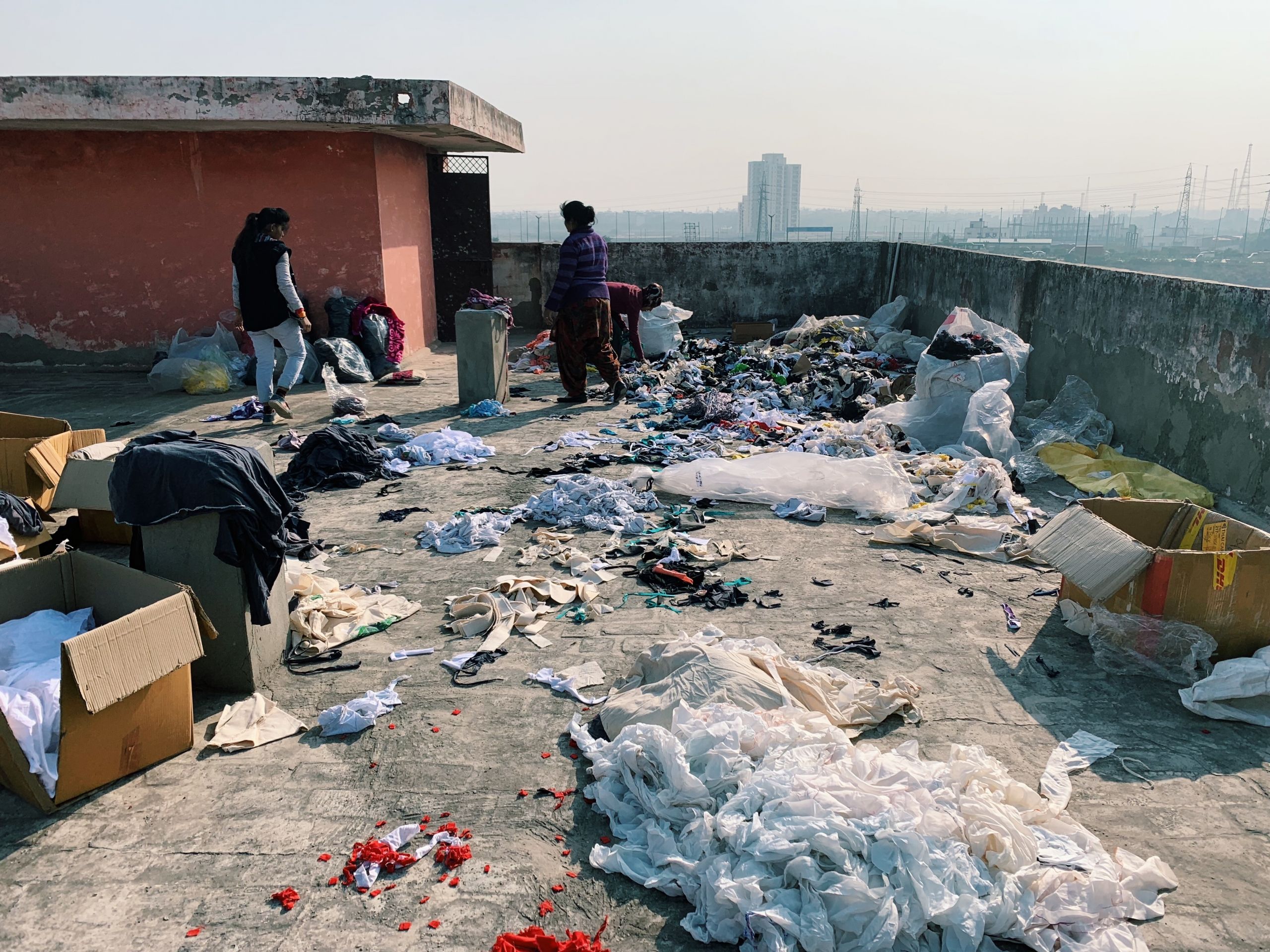
Recycled Polyester (rPET): The Honest Ledger
rPET is greenwashed harder than any other fiber. Here's what GRS actually verifies, why "bottle-sourced" and "textile-sourced" mean different things, how microplastics complicate the story, and the three scenarios where rPET genuinely beats virgin polyester.
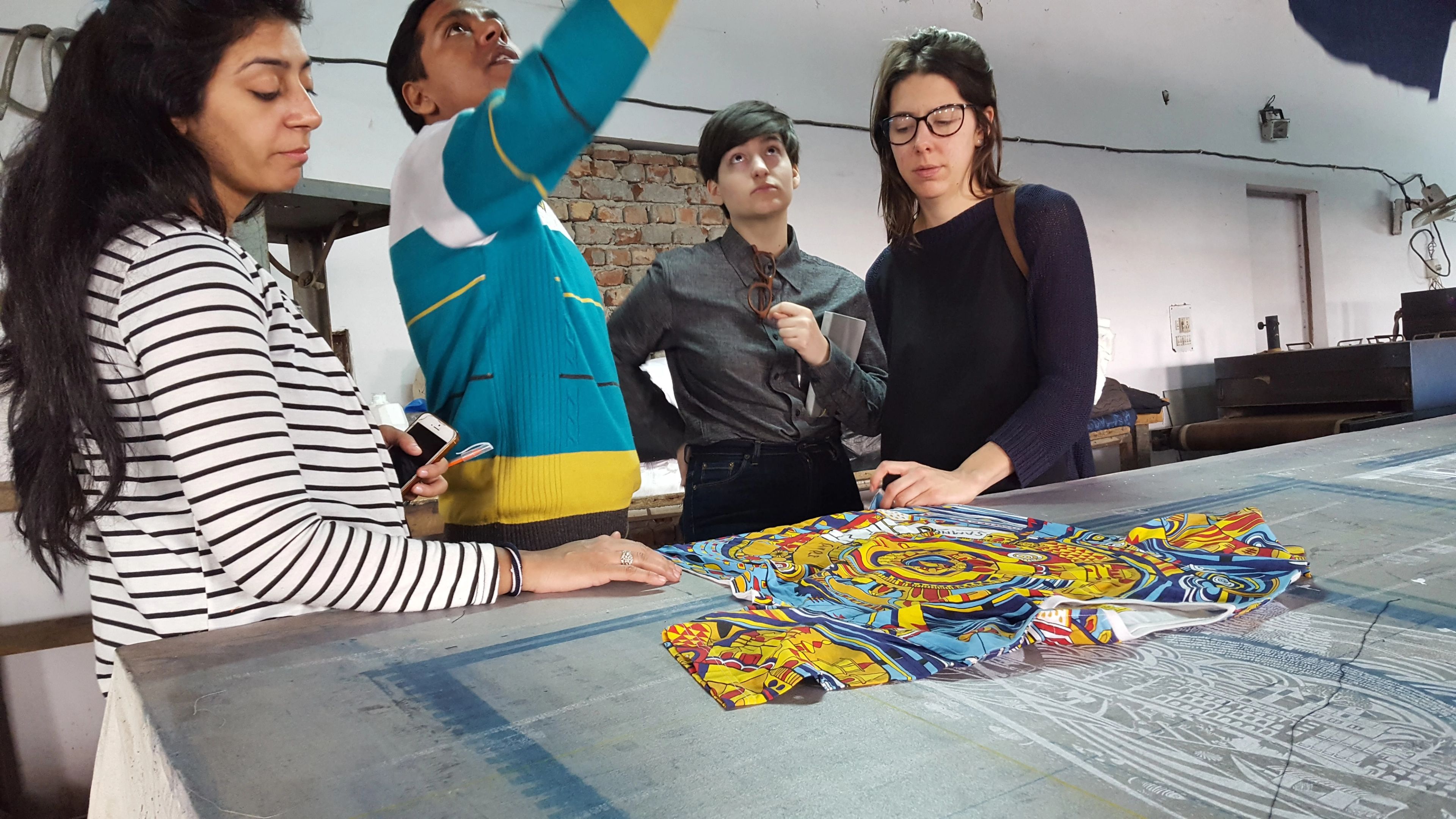
Reading a Fabric Spec Sheet: GSM, Yarn Count, and 7 Fields to Quiz Your Factory On
When a factory sends you "8oz canvas" you have one data point. When they send a full spec sheet — GSM, yarn count, weave, shrinkage, colorfastness, OEKO-TEX class — you have a product. Here's what each field means and why it matters.
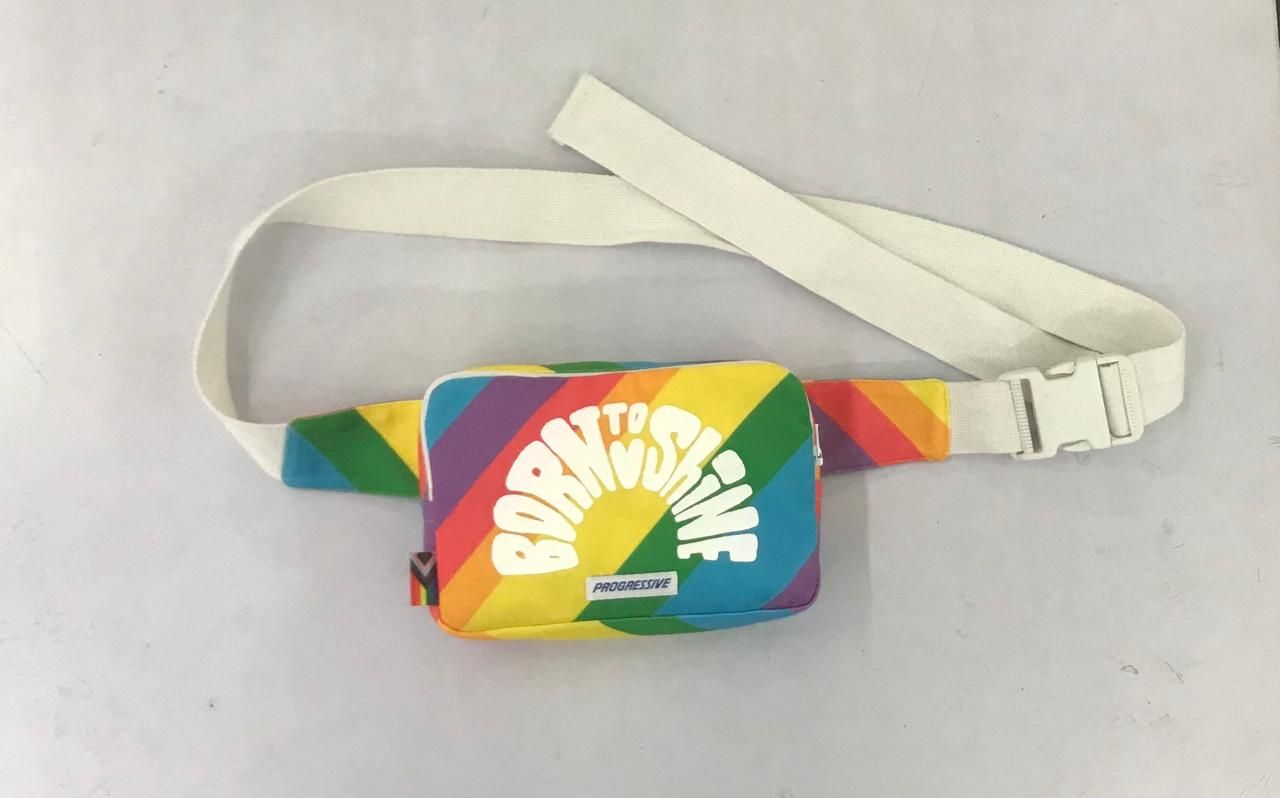
Deadstock Fabric: Pros, Cons, and When It Makes Sense
Deadstock is the zero-input sustainability story every brand wants to tell. The practical reality is messier — here's when it works and when it bites.
Tencel vs Modal vs Viscose: A Sustainability Comparison
All three are cellulose fibers from wood pulp. The differences in how they're made — and what that means for a sustainability claim — are significant.
Ready when you are
Talk to our production team
We work with emerging and established apparel brands on ethical, women-led production in India. If you have a tech pack or even just a concept, we can walk you through what's possible.
New work, straight to your inbox.
Occasional notes on new products, partner stories, and behind-the-scenes from our workshop. A few emails a year — no spam, unsubscribe any time.
By subscribing you agree to our privacy policy.