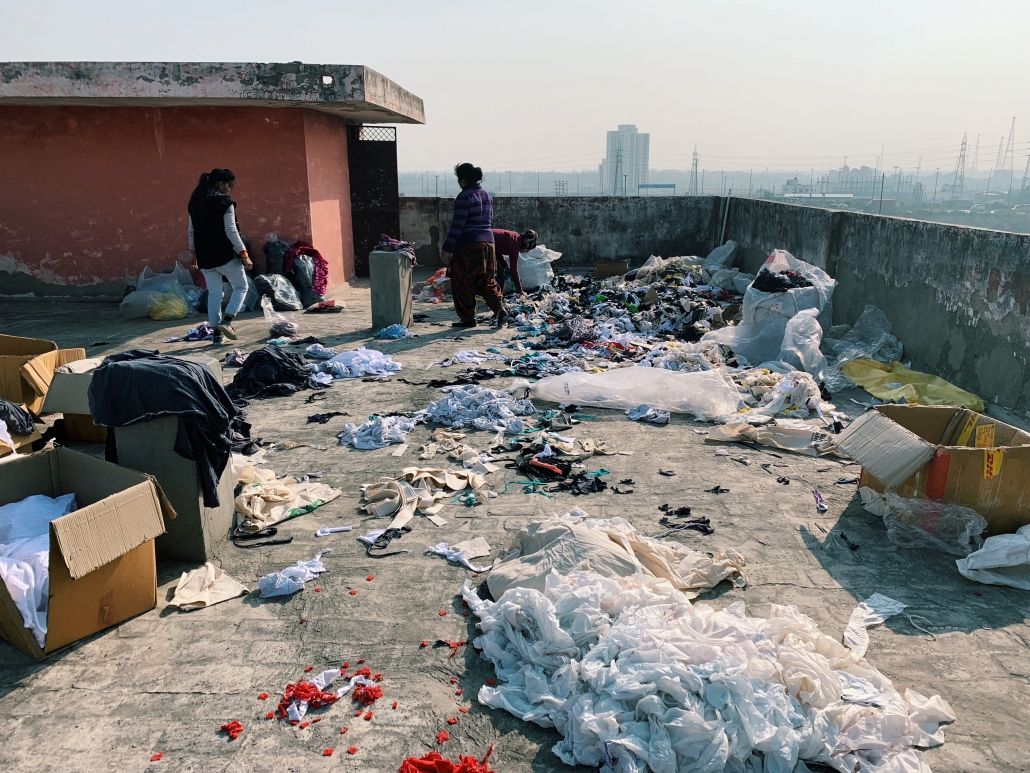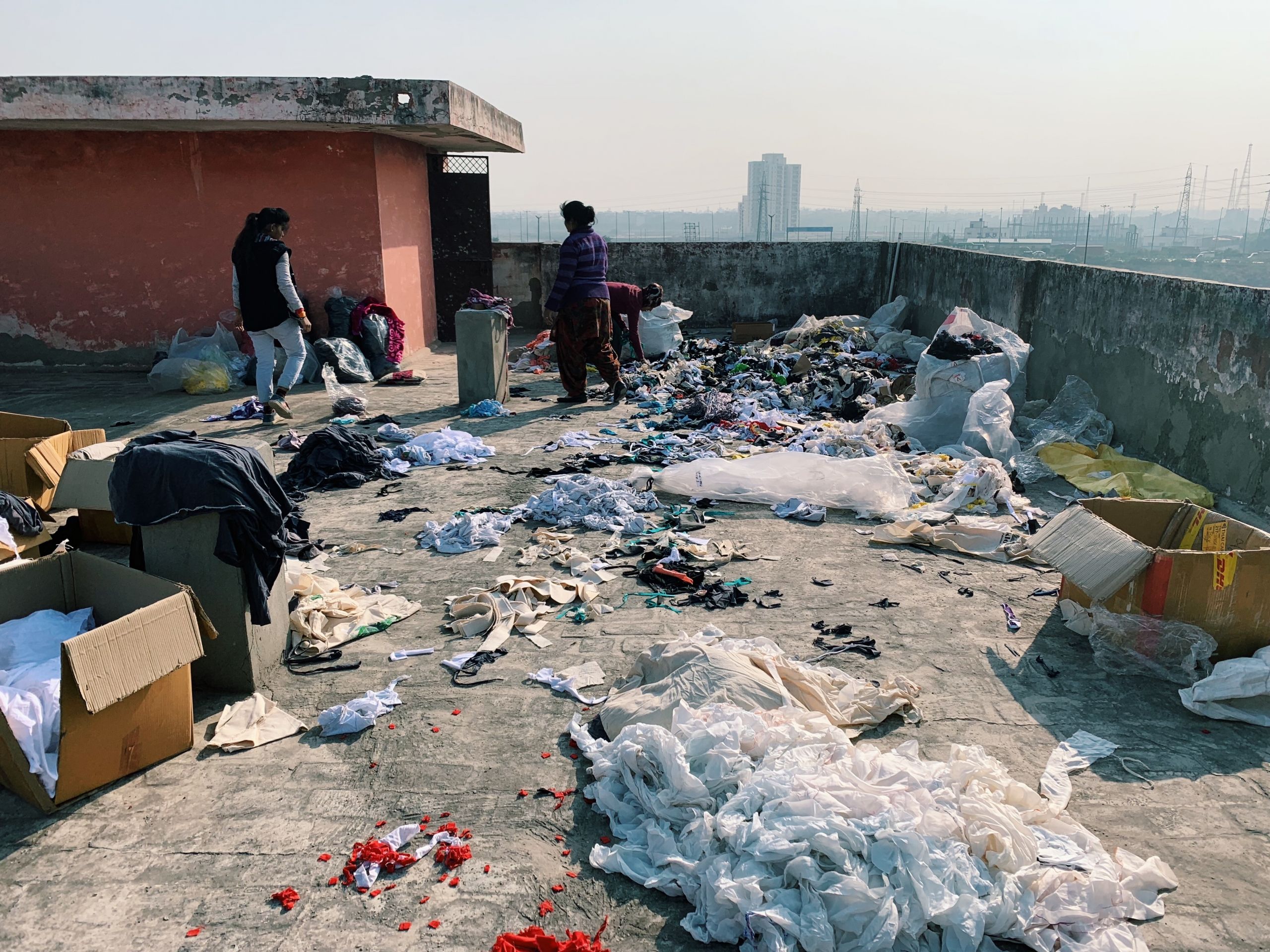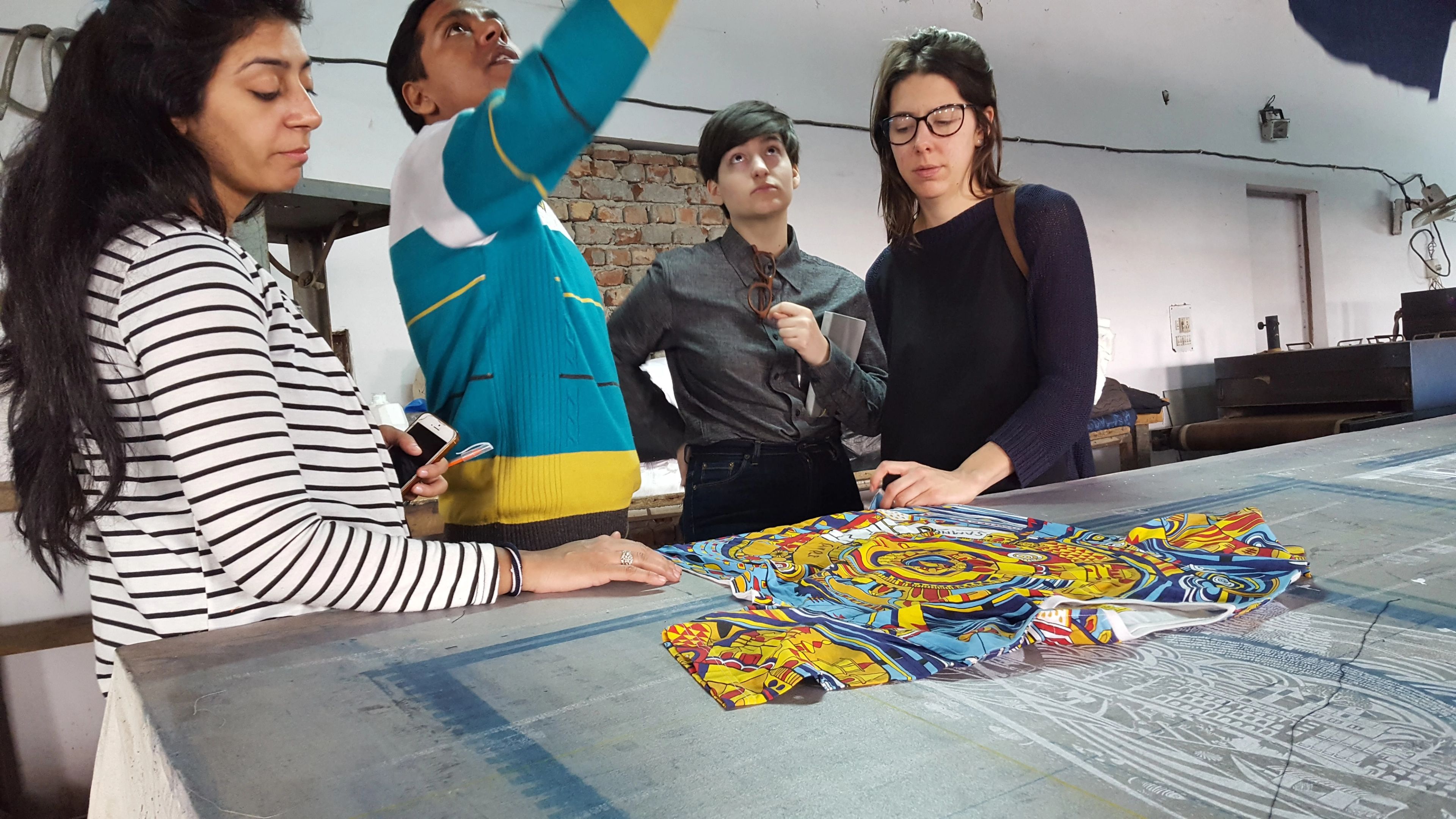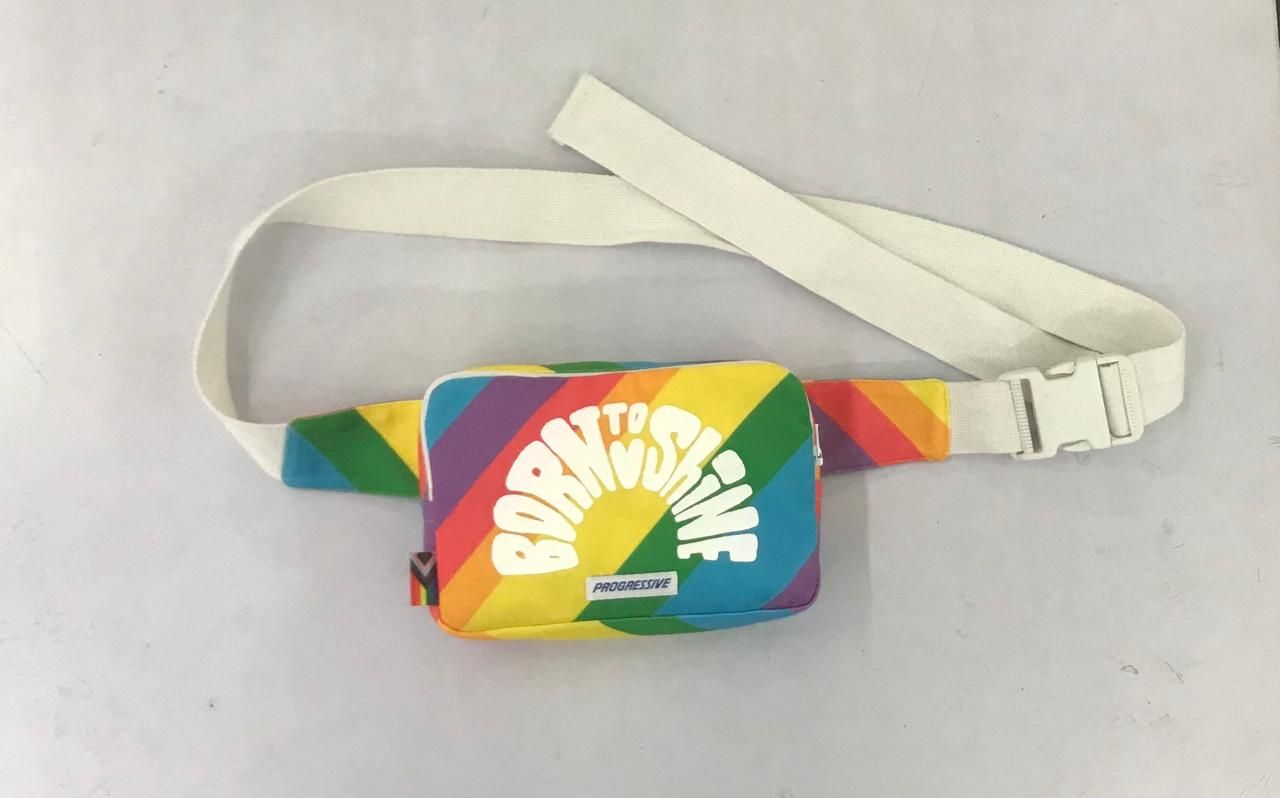
"Deadstock" is surplus fabric that a mill or brand overproduced, oversampled, or never delivered on a cancelled order. A second-life buyer (an agent, broker, or sustainable-brand sourcing team) buys it up at a discount and resells it to brands willing to work within constraints.
For a sustainability story, deadstock is nearly unbeatable: zero new resource inputs, real diversion from landfill, usually cheap. For a production story, it's complicated.
The pros, concretely
- Lowest-footprint fiber option by almost any measure — no new water, no new dyes, no new land
- Often cheaper than buying fresh fabric (especially for premium mill overruns)
- Credible sustainability marketing — "made from deadstock fabric" is legible to consumers in a way that "GOTS-certified Tencel" often isn't
- Small-MOQ friendly — deadstock lots are typically 100-1,000 meters, which maps well to small-run capsule collections
The cons, just as concretely
- Supply is unpredictable. The fabric available today won't be available next season. If your first collection takes off and you want to reorder, you can't.
- Traceability upstream is often zero. You know the fabric is deadstock, but often not what it's made of (the label lies sometimes), where it was made, under what conditions, or whether the dyes meet modern chemistry standards.
- Dye-lot variation within a single "lot" can be meaningful, especially if the deadstock was itself consolidated from multiple sources.
- Certification claims get complicated. You cannot claim GOTS on deadstock — the chain of custody is broken the moment the fabric enters the second-life market. Same for Fair Trade fiber claims.
- Quality surprises — the reason the fabric became deadstock might be a subtle defect: slight color variance, narrow selvedges, flaws at known intervals.
When deadstock makes sense
- One-off capsule or limited-edition drops where re-orderability doesn't matter
- Brands whose story is explicitly circular and whose customers expect style rotation rather than staple replenishment
- Sampling and prototyping — deadstock is great for making a sample pair of jeans to test a fit before committing to a production run on fresh denim
- Inner linings, pocket bags, hidden structural fabric where the sustainability story lives on a label you can't see
When it doesn't
- Core staples you plan to reorder season after season
- Products with explicit certification claims (organic, Fair Trade, etc.) — those require unbroken chain of custody
- Products where dye-lot consistency matters — solid blocks of color, uniform programs, matching sets
- Regulated categories like children's wear where chemistry compliance has to be traced and proven
How to source deadstock well
Work with one or two reputable brokers rather than scattershot. Ask for:
- Fiber content lab-tested, not just as claimed on the label
- Quantity-on-hand and minimum cut length per SKU
- Whatever origin information is available (mill, country, approximate date)
- A sample big enough to wash-test before committing
A practical middle path
Many brands combine a small deadstock capsule with a core collection in fresh, certified fabric. The deadstock drop carries the "zero-waste" marketing; the core collection carries the reorderable, certified story. Neither has to be the whole identity of the brand.
Frequently asked questions about deadstock fabric
Can I get GOTS-certified deadstock?
Almost never. The moment fabric enters the second-life market the chain-of-custody paperwork is broken — you're buying from a broker who bought from an intermediate, who bought from the original mill. Even if the original fabric was GOTS, you can't make that claim on your finished product. Use deadstock as an "upcycled" or "zero-waste" story, not an "organic" one.
What MOQ works for deadstock?
Low — that's the whole appeal. Individual deadstock lots typically run 100-1,000 meters, which maps well to 100-500 garment runs depending on style. You're buying what's on hand, so MOQ is whatever the lot is. Below 100 meters you're usually looking at swatches, not production quantity.
How consistent is deadstock fabric quality?
Variable, and the variance is the first thing to inspect. Premium mill overruns (the same fabric that would have gone into a luxury brand's order but got cut for volume reasons) are usually clean. "Deadstock" that's been consolidated from multiple sources can have dye-lot shifts, narrow-width cuts, or flaws at regular intervals. Always order a meaningful sample before committing.
Where do I actually find deadstock?
Dedicated brokers like Queen of Raw, Reverse Resources, Fabscrap (US), and Offset Warehouse (UK). Local garment-district fabric jobbers in NYC / LA / London. Trade shows like Deadstock.nl. A handful of factories also run a deadstock side-business — ask your sourcing agent.
Related reading
- GOTS vs "Organic Cotton": What's Actually Certified — if your core line leans certified, this is how the chain-of-custody works.
- Tencel vs Modal vs Viscose: A Sustainability Comparison — other sustainable fiber options when deadstock isn't right.
- Apparel MOQs Explained — why deadstock works for low-MOQ capsules and doesn't for replenishment.
Found this useful?
Share it with your network