
How apparel manufacturing actually works in India — the regions, the audit landscape, and what "ethical" means when a buyer uses the word.
India is the world's second-largest apparel manufacturer by export value, and it's the country most small and mid-size brands reach for when they want handwork, embroidery, or short-run ethical production. "Ethical," though, means very different things depending on who's saying it. This pillar is our attempt to be specific.
What "ethical manufacturing" means in practice
When a factory calls itself ethical, they usually mean one or more of: fair wages above the legal minimum, audited working conditions, no child or forced labor, reasonable hours, and a workforce that can raise grievances without retaliation. The words are easy; the evidence is harder. Real ethical production comes with documentation — audit reports, certifications, payroll records, grievance logs — and brands who do the work ask to see it.
Why India, specifically
India's apparel industry concentrates around distinct regional clusters, each with its own specialty. Tirupur (Tamil Nadu) dominates knits and t-shirts; Delhi NCR and Jaipur lead on hand embroidery, woven garments, and small-run production; Ludhiana does woolens and sweaters; Ahmedabad does block printing and traditional textiles. Choosing a region is choosing a capability.
The country also has a mature certification infrastructure. GOTS, Fair Trade USA, SA8000, and Sedex audits are common here — many factories hold multiple certifications simultaneously. That matters if you plan to put compliance claims on your product labels.
Who this pillar is for
Brand founders evaluating overseas manufacturing for the first time, sourcing managers comparing India to Vietnam or Portugal, and product leads who have been quoted a price and want to understand what drives it. If that's you, the cluster guides below are the next read.
Sourcing from India?
Fifteen years of women-led production in Delhi, with the audit trail to back it up. Tell us what you're making.
In this pillar
4 guides to read
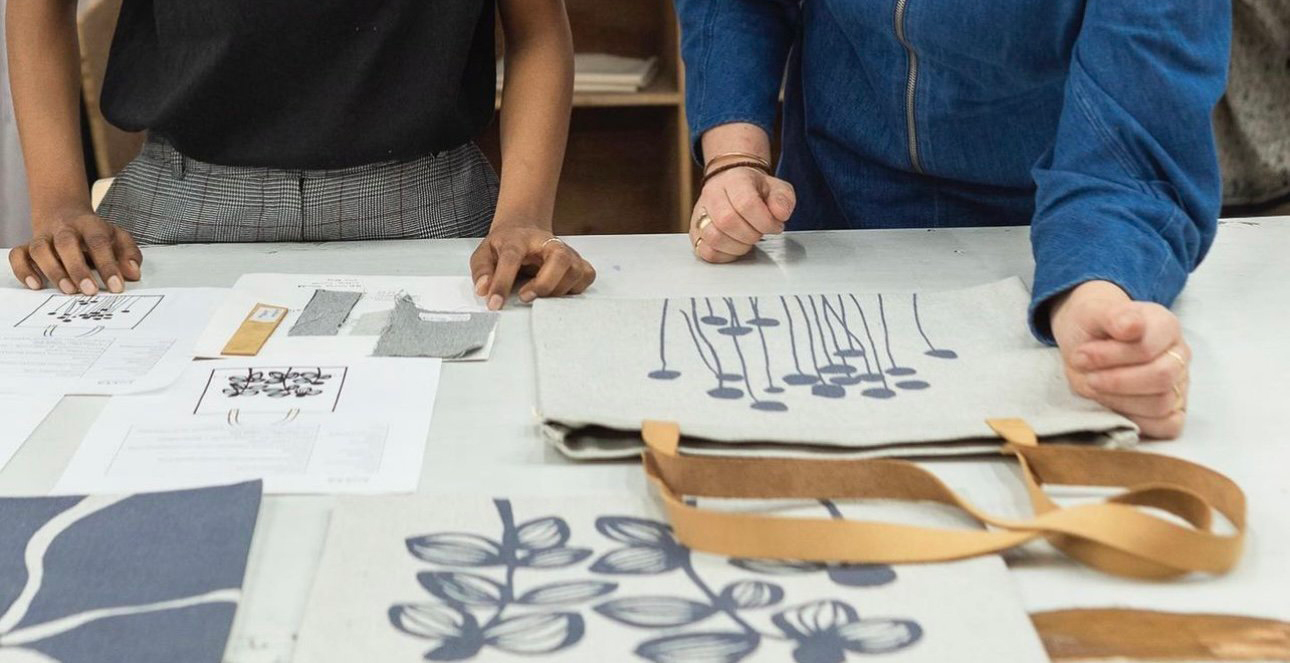
What "Ethical Manufacturing" Actually Costs Per Unit (With the Math)
The 15–30% premium for ethical production, broken into the line items that cause it: wages, audit fees, lower throughput, compliant chemistry. Defend the budget with specifics, not platitudes.
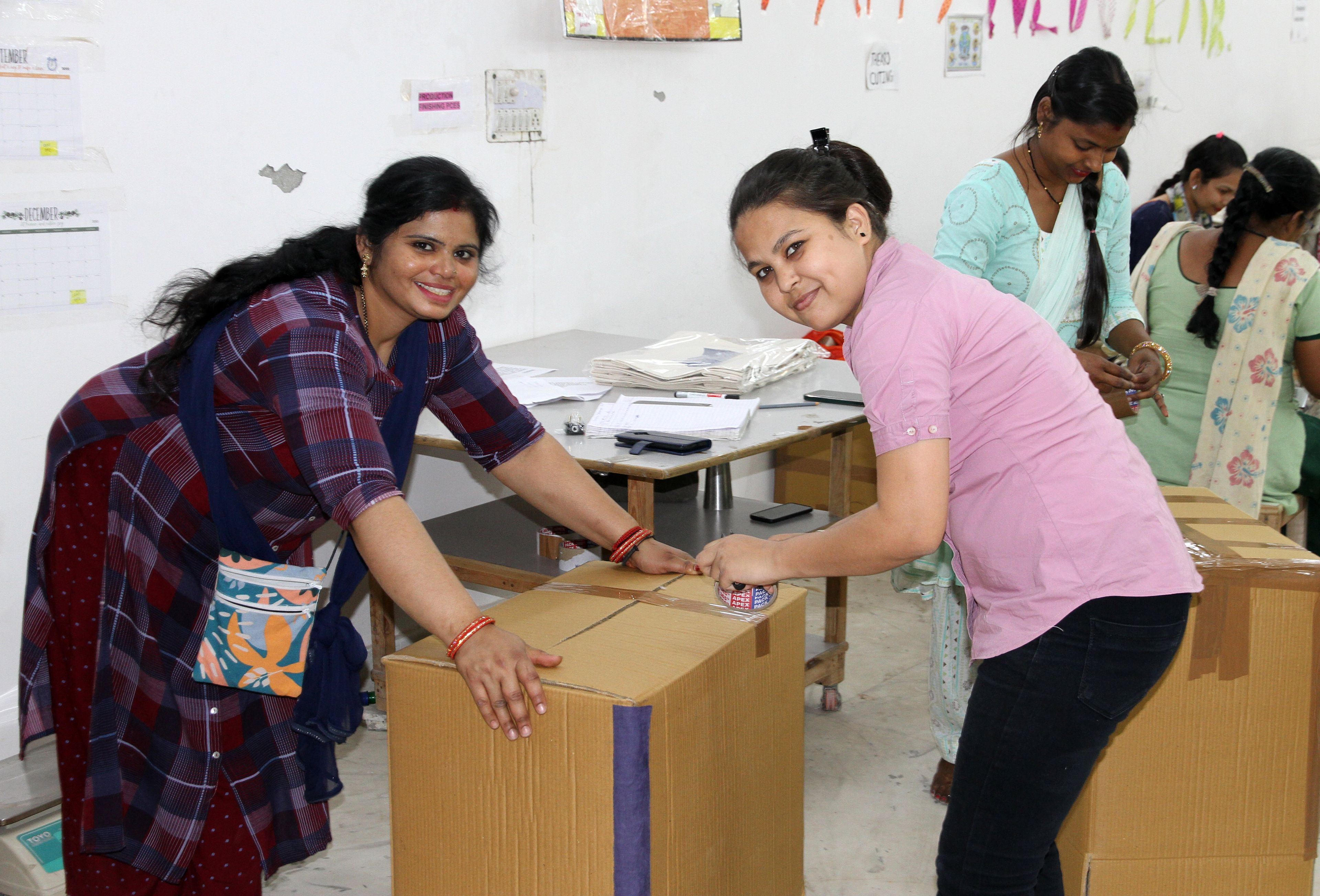
Hidden Costs That Show Up After Your First Indian Production Run
Your factory quote is FOB Mumbai. Your landed cost is something else entirely. The seven line items — freight, duty, 3PL, QC rework, sample revisions, forex exposure, and broker fees — that nobody warned you about.
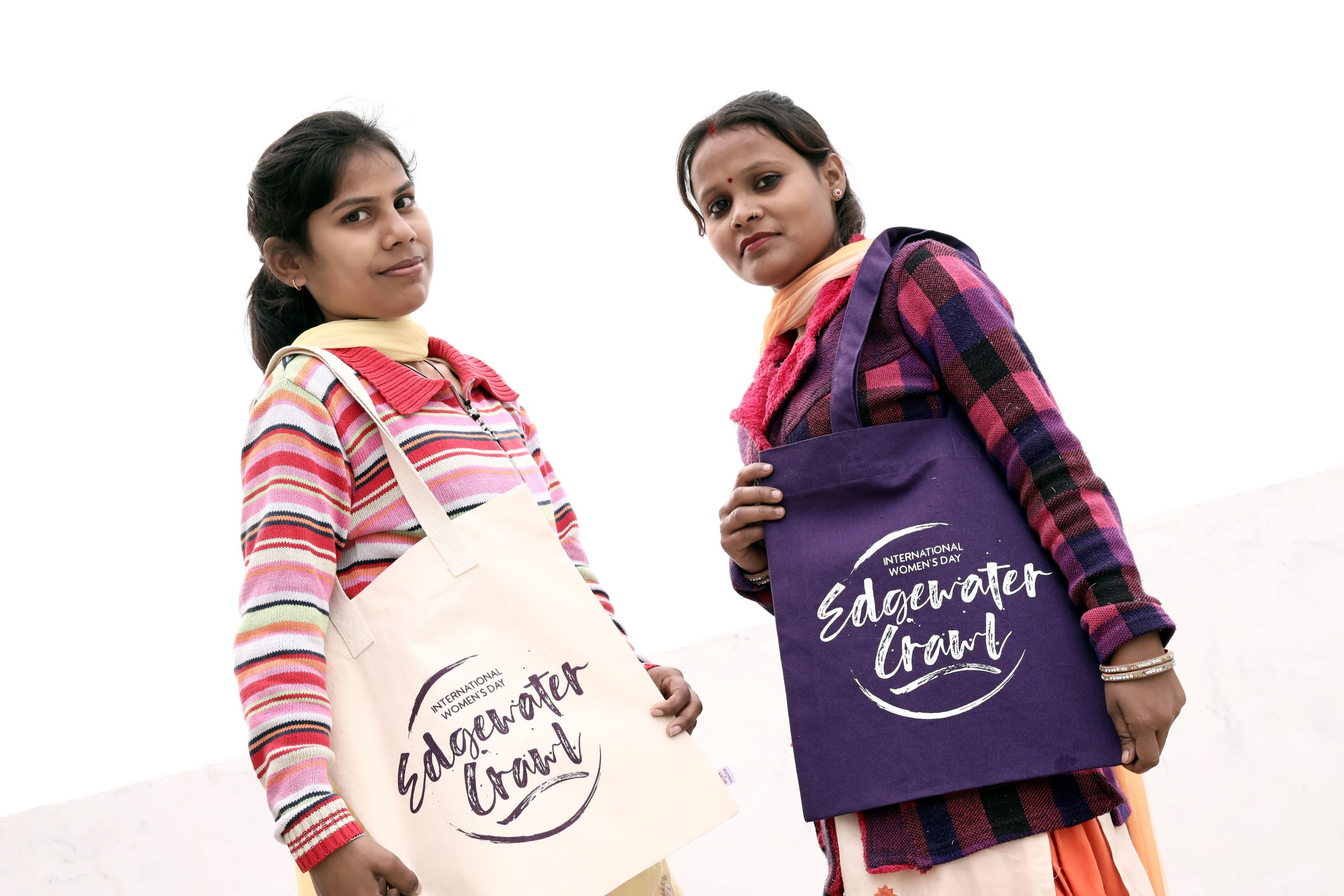
Garment Manufacturing in India: A Buyer's Guide
India is the world's second-largest apparel exporter. For a small or mid-size brand, what does sourcing here actually look like — regions, capabilities, lead times, and what "ethical" means in practice.
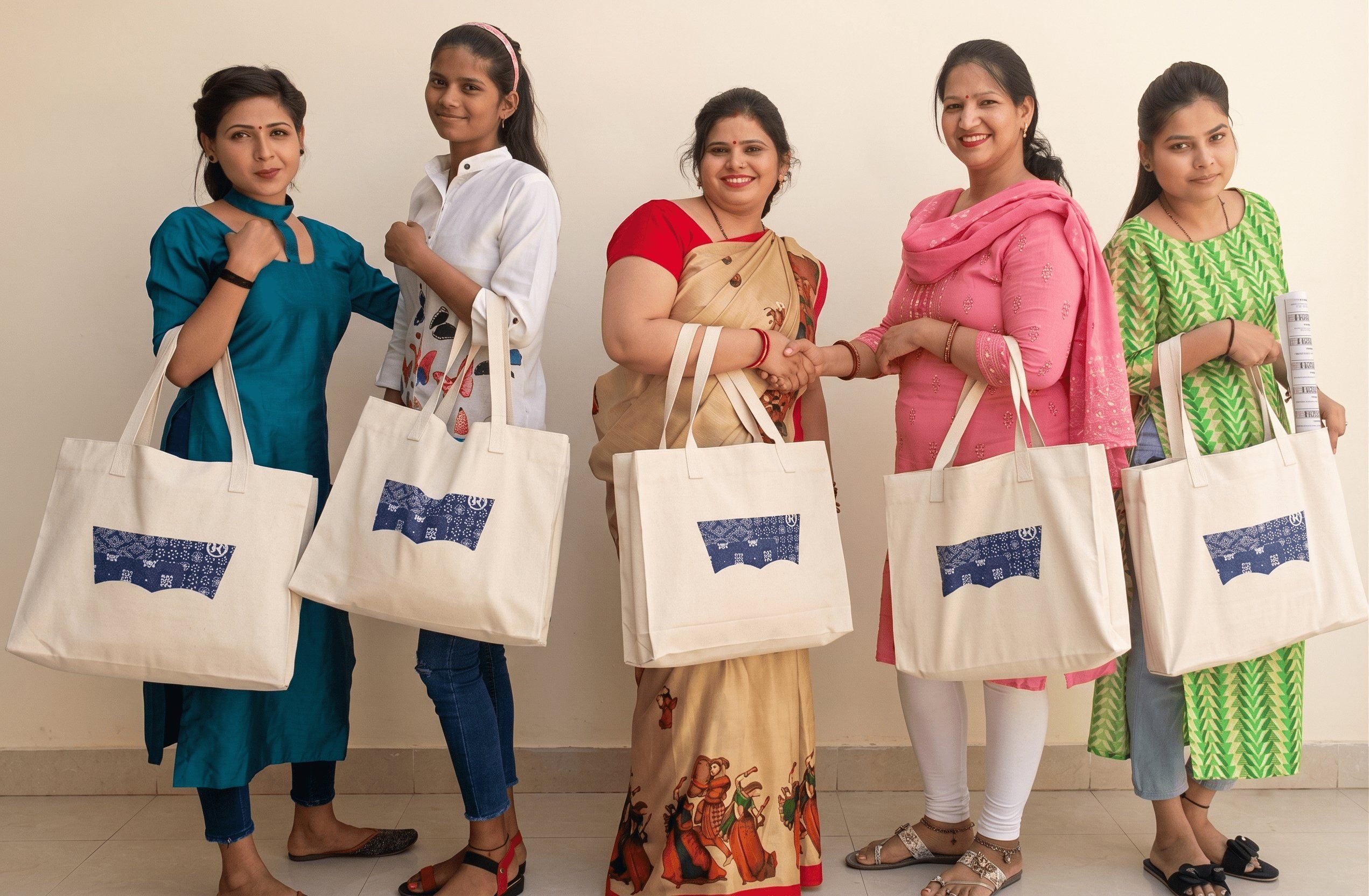
Jaipur, Tirupur & Delhi NCR: Which Indian Apparel Cluster Fits Your Brand
India's apparel industry is a patchwork of regional specialties, not a single market. A practical comparison of the three clusters most brands pick between.
Ready when you are
Talk to our production team
We work with emerging and established apparel brands on ethical, women-led production in India. If you have a tech pack or even just a concept, we can walk you through what's possible.
New work, straight to your inbox.
Occasional notes on new products, partner stories, and behind-the-scenes from our workshop. A few emails a year — no spam, unsubscribe any time.
By subscribing you agree to our privacy policy.