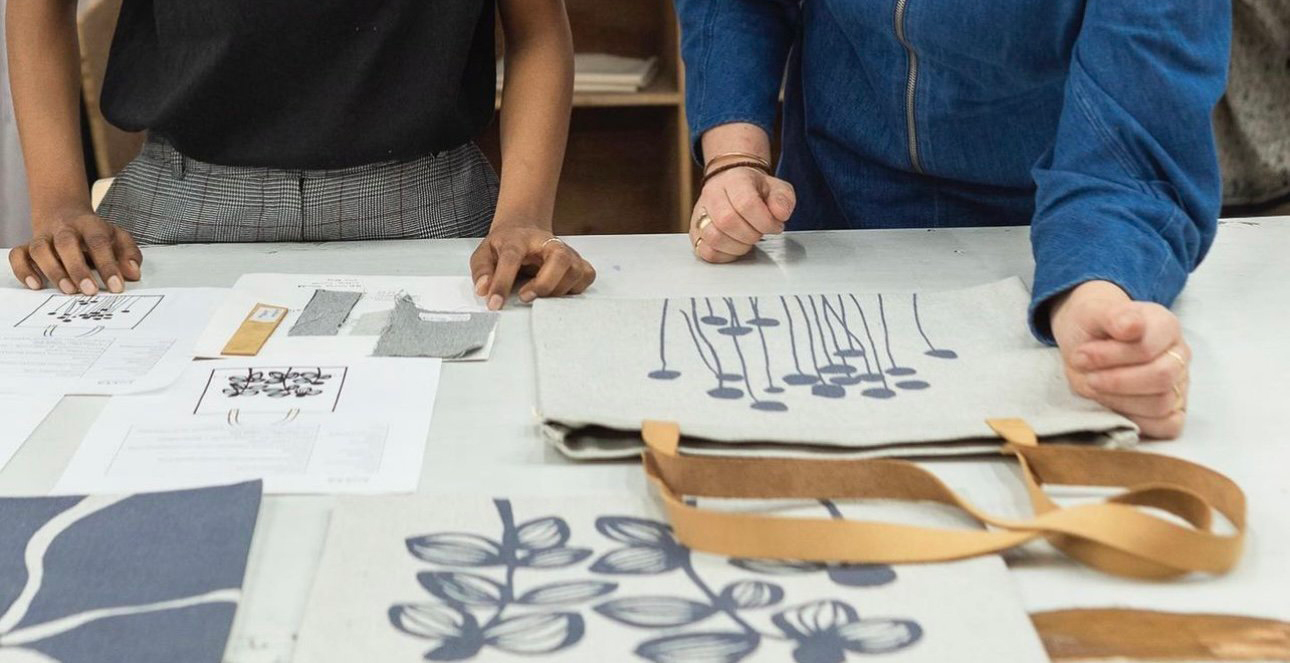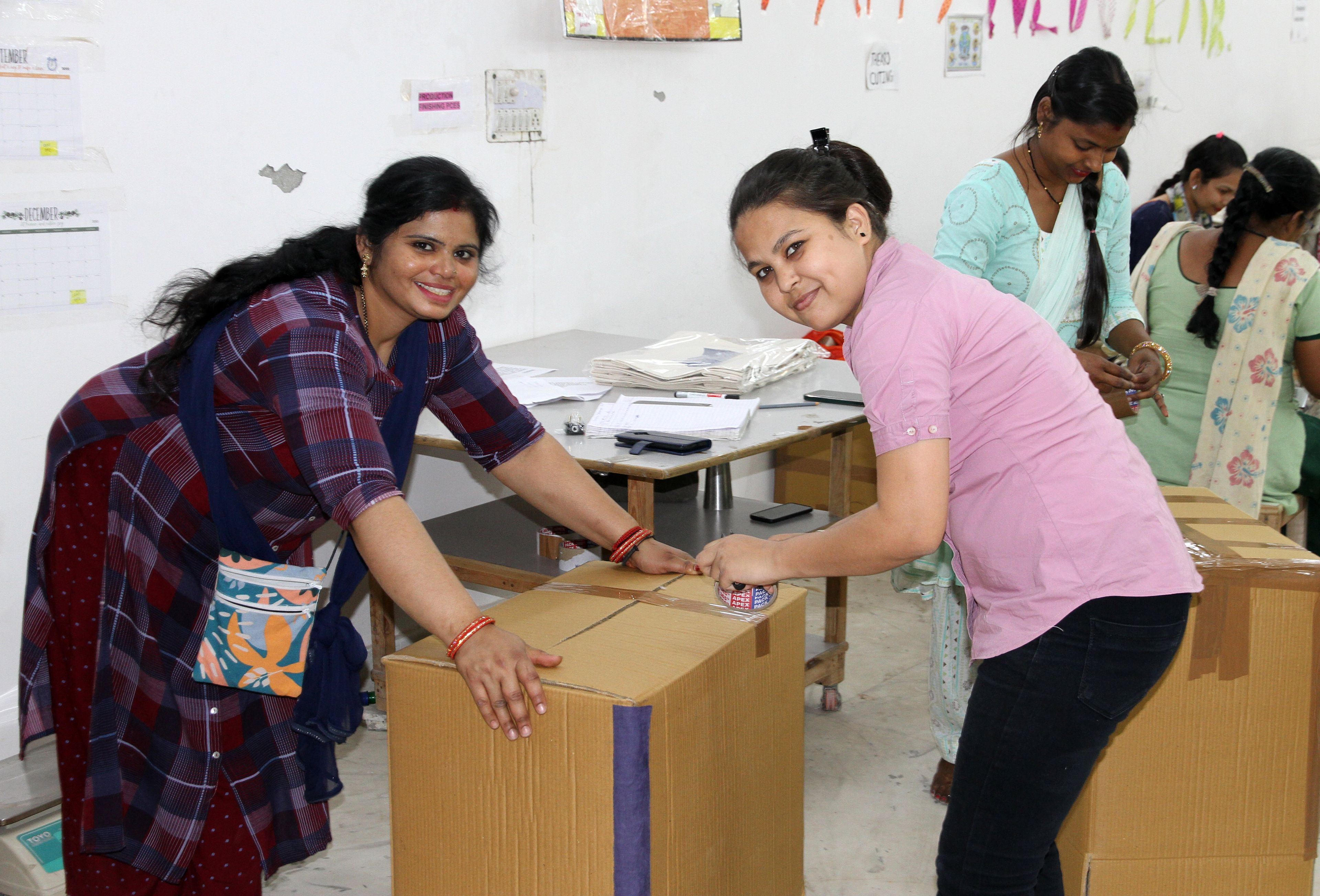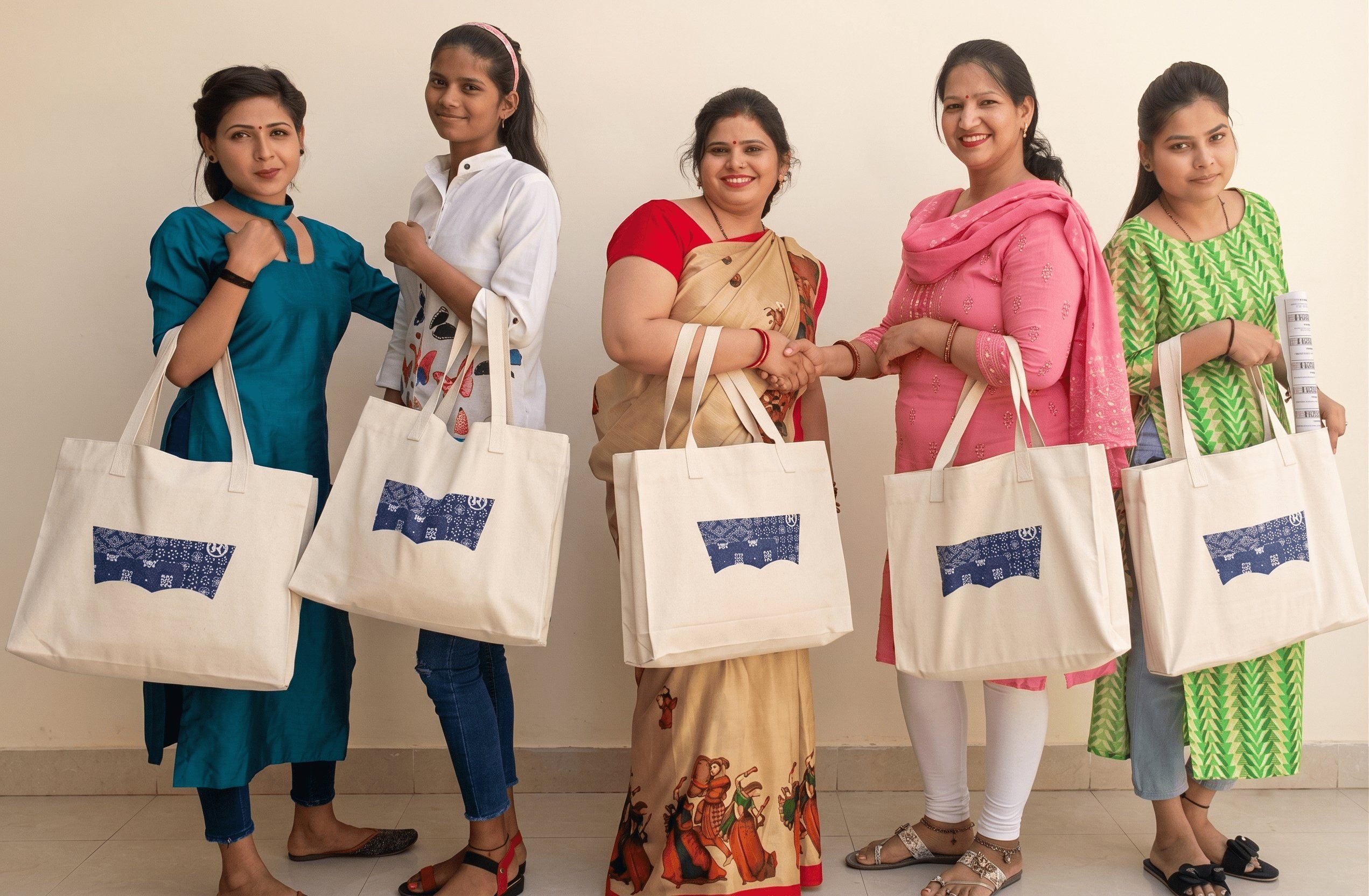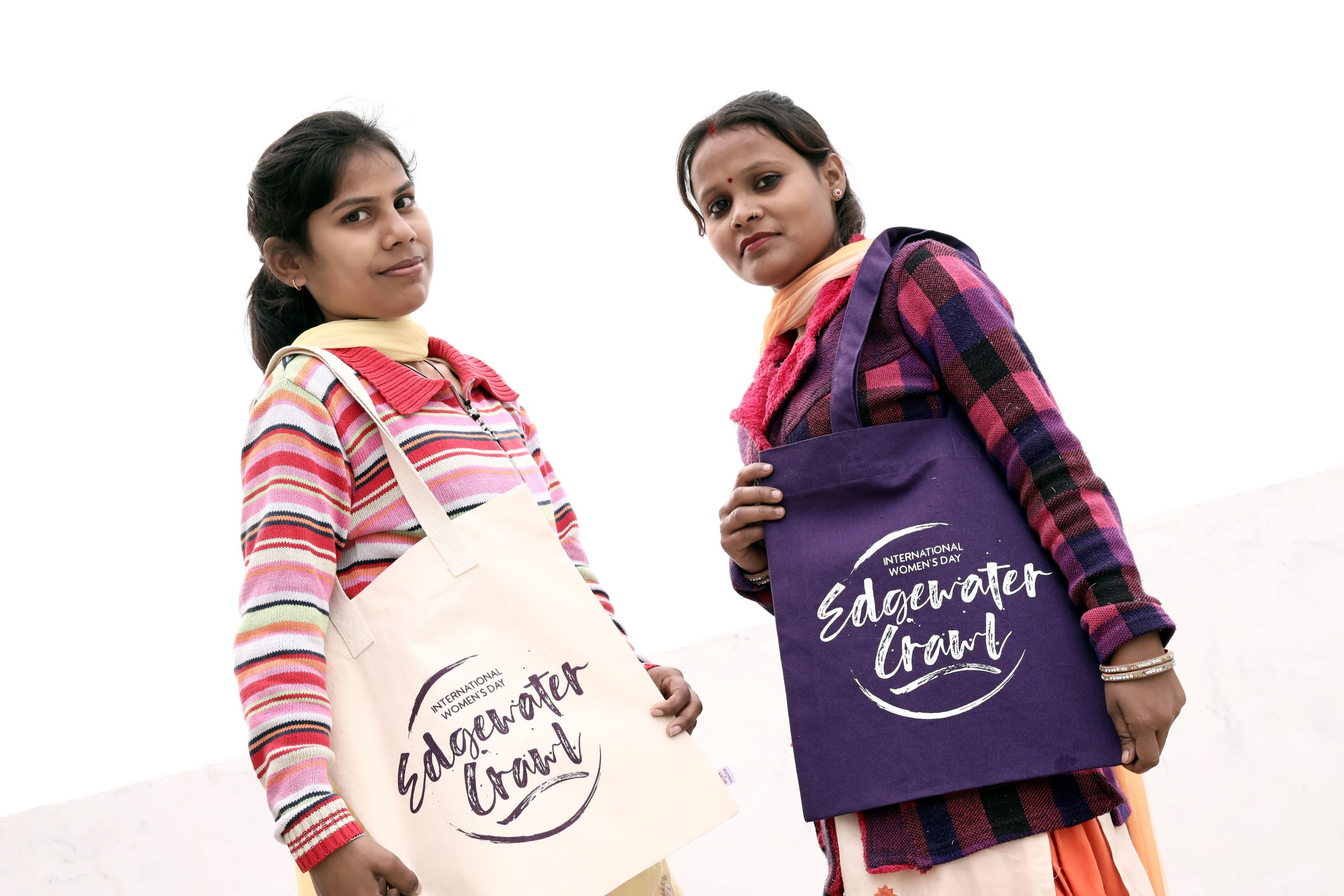
India is an unusual sourcing destination because it combines the scale of a country that exports $16 billion in apparel a year with the craft tradition of a country where hand embroidery, block printing, and handloom weaving are still part of the living industrial base. A mid-size brand looking for responsible production runs into both sides: the industrial cluster that can deliver 10,000 t-shirts on a 6-week timeline, and the family-run atelier that can hand-embroider a small-batch capsule.
This guide walks through what that looks like from a buyer's perspective — what India makes well, where, how pricing and lead times compare, and what "ethical" actually means when a factory uses the word.
What India makes well
The country's capability map is regional. A few of the clusters most brands interact with:
- Delhi NCR — wovens, dresses, shirts, hand embroidery, small-run production with strong English-language communication and proximity to air freight. Many compliance-certified factories here.
- Tirupur (Tamil Nadu) — knits and t-shirts at scale. Tirupur alone exports around $4 billion in knitwear a year. Aggressive pricing, larger MOQs, increasingly strong on sustainability.
- Jaipur — block printing, natural dyes, bohemian and heritage styles. Strong handloom tradition. MOQs tend to be lower.
- Ludhiana — woolens, sweaters, knitwear. Cold-weather specialty.
- Ahmedabad — denim, block prints, traditional textiles. Strong chemical-processing base.
If your product is a cut-and-sew knit tee at 2,000-unit runs, Tirupur is obvious. If it's a hand-embroidered cotton blouse at 200 units, Delhi or Jaipur will serve you better. Trying to do the first in Jaipur or the second in Tirupur is a common expensive mistake.
What "ethical" means in an Indian context
India has a denser compliance infrastructure than most apparel exporters. GOTS certification is common, SA8000 is common, Fair Trade USA is common, and Sedex/SMETA audit reports are the industry default for larger brand buyers. Many mid-size factories hold three or four of these simultaneously.
What this means for a brand buyer: you can realistically ask for documentation, and you should. An ethical factory expects the question. A factory that dodges it — "we're ethical, trust us" — is telling you something.
Concretely, in a first sourcing conversation, ask:
- What social-compliance audit do you currently hold? Can I see the report?
- When was it last renewed? Who was the auditor?
- If I need GOTS (or Fair Trade, or BSCI) on our finished products, are you certified and can you commit to producing our run within that chain of custody?
- Who is your factory of record — do you make here, or do you sub to someone else?
Pricing and lead times, roughly
As of 2026, a reasonable ballpark for a mid-complexity woven shirt at 500 units in a certified Indian factory is $9-14 per piece FOB, with a 6-8 week lead time from approved tech pack to shipped bulk. Knits at similar quantity run $5-9. Add 2-3 weeks if you're using a custom fabric that has to be milled rather than bought off the shelf.
These numbers go up for small runs (sub-200 units can easily double per-piece cost) and down for large ones (5,000+ unlocks mill-level fabric pricing and sharper cuts on setup amortization).
Common mistakes first-time buyers make
- Skipping the tech pack and expecting the factory to interpret a mood board. Results in sample iterations, price creep, and slipped timelines.
- Shopping only on per-piece price. Landed cost — which includes freight, duties, inspection, and broker — is often 30-50% higher than ex-factory price. The cheapest quote is often the most expensive delivery.
- Picking a factory based on a trade-show visit without seeing a current audit report.
- Under-ordering fabric and discovering mid-run that the mill dyed only 80% of the color correctly.
Who should source from India
Brands whose product benefits from handwork, small-batch flexibility, or certified social-compliance infrastructure. Brands with a founder who can make a scoping trip once or twice a year (or an agent who can). Brands that can work with 6-10 week lead times and 500-unit MOQs as a floor.
If your product is ultra-fast-fashion replenishment at 3-week turnaround, India isn't the answer. For most thoughtful apparel brands, it is.
What to do next
If you have a tech pack, the fastest path is to send it to 2-3 shortlisted factories at once and compare quotes side-by-side. If you don't yet, build one — it's the single highest-leverage document in apparel sourcing.
Frequently asked questions about sourcing from India
What's the minimum order quantity at a typical Indian factory?
It depends on the cluster and the factory. Small-run specialists in Delhi and Jaipur can go as low as 100-200 units per style; mid-range ethical factories settle around 500-1,000; scale factories in Tirupur start at 1,000-3,000. Below 100 units you're usually looking at a sampling studio, not a production line.
How long does a typical production run take from tech pack to shipped bulk?
Six to ten weeks for a familiar style in in-stock fabric at 500-1,000 units. Add two to four weeks for custom-milled fabric, a complex print program, or first-time factory onboarding. Lead times slip most often from brand-side delays on lab dip and sample approvals, not factory-side capacity issues.
Do Indian factories work in English?
Export-focused factories in Delhi NCR, Tirupur, and Ahmedabad operate in English as a matter of course. Smaller ateliers in Jaipur and tier-2 cities may need a translator or local agent. Written tech packs, POs, and inspection reports are always in English.
Is India more expensive than Bangladesh or Vietnam?
Per-piece India runs ~15-25% higher than Bangladesh and comparable to or slightly above Vietnam for knits. What India wins on is compliance infrastructure (GOTS, SA8000, Fair Trade density), hand-finishing skills, and small-to-mid MOQ flexibility. For basic knit-tee volume plays, Bangladesh is cheaper. For anything requiring embroidery, block printing, or audit depth, India is the right trade-off.
Do I need to visit the factory before placing an order?
Strongly recommended, not strictly required. A third-party factory audit (Sedex SMETA, SGS, QIMA) can stand in if you can't travel. What you lose by not visiting is the informal read on management culture that no audit captures — which matters more over a multi-year relationship than a single-run order.
Related reading
- Writing a Tech Pack: What It Needs to Contain — the blueprint every factory conversation depends on.
- GOTS Certification Explained for Fashion Brands — if your label says "organic," this is the certification that gives the word teeth.
- How to Vet an Overseas Clothing Manufacturer — 12-point checklist to run before sending a tech pack.
Found this useful?
Share it with your network