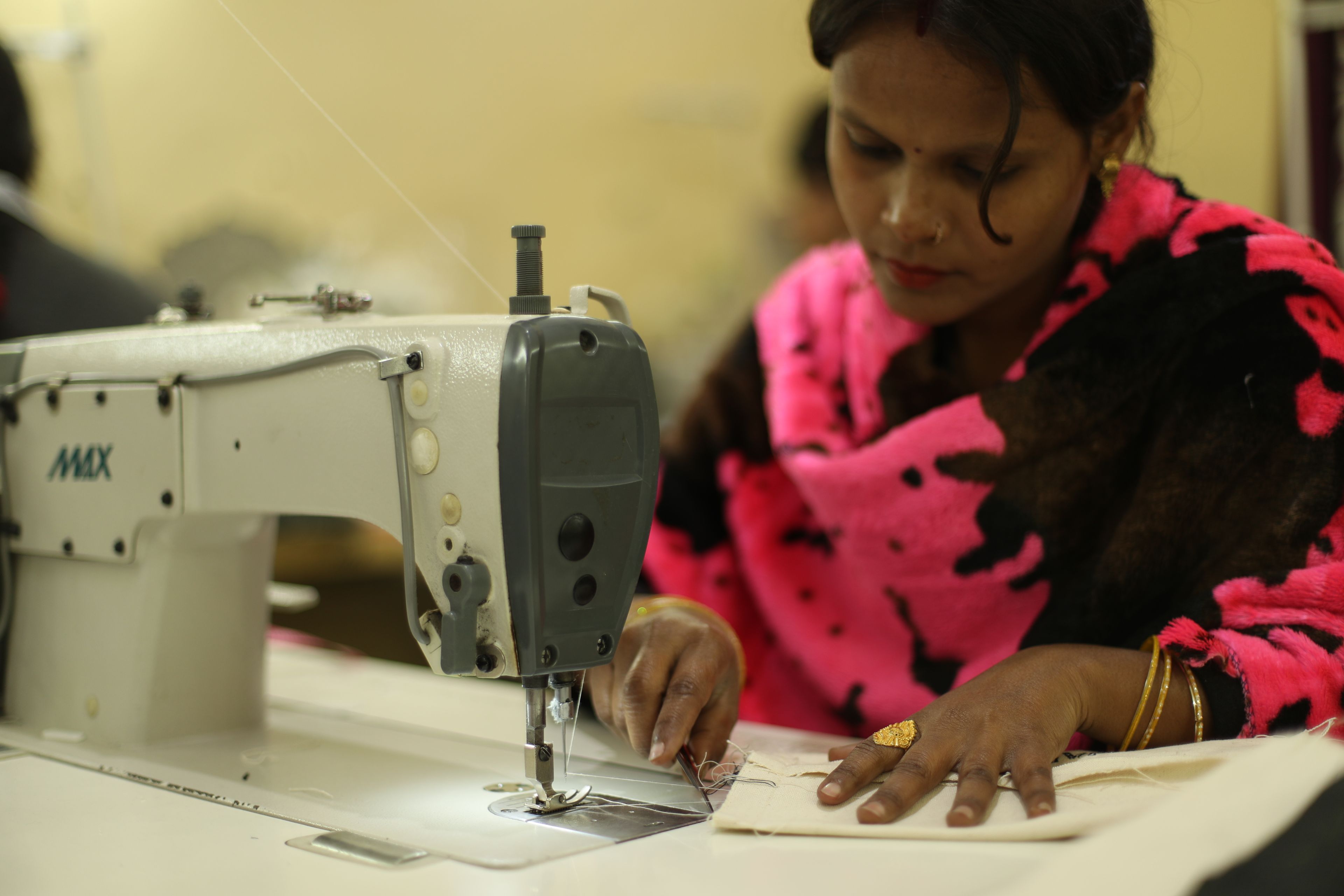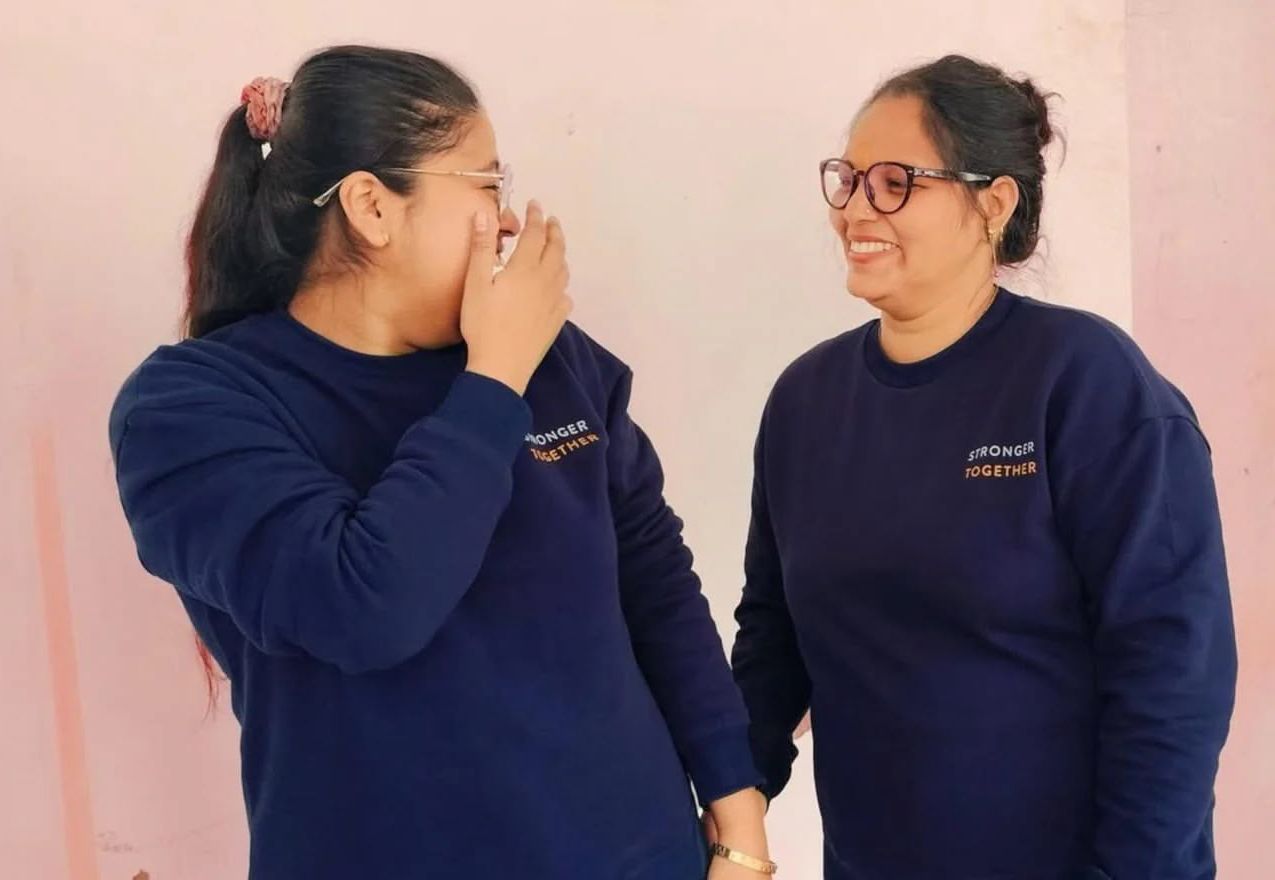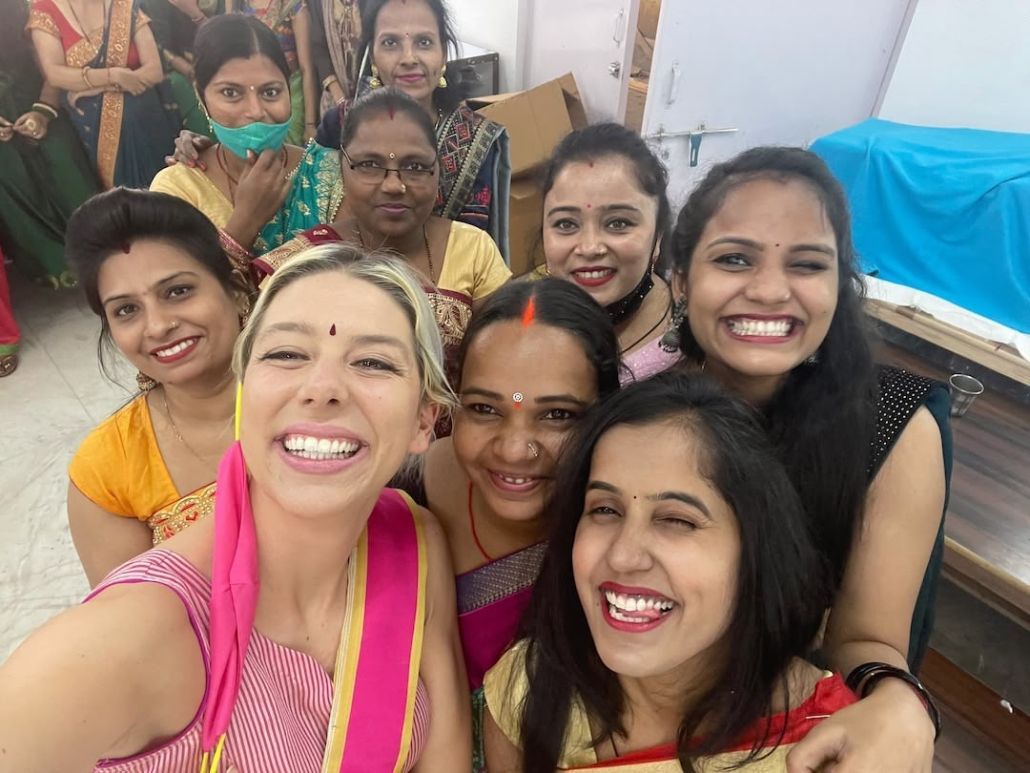
Every apparel brand can truthfully say their factory employs women — the industry is majority-female at the machine. Many fewer can say their factory is actually led by women. The distinction matters and shows up in concrete ways on the floor.
This article is about what specifically changes when women hold supervisory and management roles, based on what we see at Work+Shelter and what credible industry studies consistently find elsewhere.
The structural problem
In a typical export-focused apparel factory in India:
- Workers: 60-80% women
- Line supervisors: 15-30% women
- Floor managers: 5-15% women
- Senior management: <5% women
- Ownership: <5% women
Every transition up the hierarchy is a transition to male-dominated. Women workers report grievances to male supervisors who report to male managers who report to male owners. Decisions about schedules, overtime, leave, promotions, and harassment responses are made by people whose lived experience doesn't include the constraints faced by most of the workforce.
What changes when women lead
Grievance handling
When a worker can report a problem to a woman supervisor — especially a problem involving a male coworker — the willingness to report goes up sharply. Internal complaint volumes at women-led factories are often higher than at comparable male-led factories. This is a good sign, not a bad one: it means problems are being surfaced instead of buried.
Scheduling and caregiving
Women supervisors tend to build schedules that reflect the reality of caregiving responsibilities — predictable start and end times, advance notice of overtime, accommodations for childcare pickup. The result: measurably lower absenteeism and better retention.
Quality consistency
Long-tenure workers produce more consistent output than high-turnover workers. Women-led floors with lower turnover typically show tighter quality distributions on AQL inspection metrics — not because women supervise better, but because their floors have more senior stitchers.
Floor culture
Harassment prevention is partly structural (policies, committees, training) and partly cultural (what people believe is normal). A floor where women are visibly in charge sets a different cultural baseline. Workers report this consistently in survey data.
What doesn't change automatically
Women-led doesn't automatically mean well-paid, safe, or sustainable. A women-led factory can still run overtime violations, pay below the living wage, or source from mills with poor labor practices. "Led by women" is a leadership-composition claim, not a comprehensive ethics claim — both need evidence.
What to look for as a buyer
If a factory claims women-led status, probe with specifics:
- What percentage of supervisors, line leads, and floor managers are women, by count and by role?
- Who is the senior-most operational decision-maker at the factory? What's their background?
- How many women supervisors were promoted from the line in the last 3 years?
- What's the training pathway from stitcher to supervisor?
- Who sits on the Internal Complaints Committee?
Factories with a substantive women-led story can answer these immediately. Factories using it as marketing usually can't.
Why the commercial logic works
Factories that invest in developing women into leadership roles don't just get better social outcomes; they get better operational ones. The mechanism is straightforward: promoting from within creates a career ladder that keeps skilled workers from leaving. Keeping skilled workers means tighter quality. Tighter quality means fewer reworks. Fewer reworks means better margins and faster turnaround.
The marketing story ("we're women-led") and the operational story ("we retain skilled workers") are the same story told from different angles.
One thing brands often miss
"Women-led" is usually evaluated at the top of the pyramid (is the owner or CEO a woman?) rather than at the middle (are women actually running lines and making daily operational decisions?). The middle is where the change shows up. A factory with a female owner but an all-male supervisor layer will not feel or perform meaningfully differently from a male-led factory. A factory with substantive representation in middle management will.
When you evaluate a factory, ask to walk the floor. Notice who gives instructions and who receives them. It's visible.
Frequently asked questions about women-led manufacturing
Is "women-led" a legal or certified claim?
No — there's no standardized certification for "women-led." WBENC (Women's Business Enterprise National Council) certifies women-owned businesses in the US. In supply-chain terms, ownership and operational leadership are often decoupled. A women-owned factory with all-male floor supervisors performs differently from a male-owned factory with all-women supervisors. Both claim "women-led" — ask for the specifics.
What metrics actually prove a factory is women-led?
Gender breakdown of supervisors and managers (not just line workers). Number of women supervisors promoted from the line in the last 3 years. Gender composition of the Internal Complaints Committee. Ownership-level gender. Retention rate gap between men and women. Factories with substantive answers to all five are operating with intentionality; factories with answers to none are using the words as marketing.
Does women-led mean the factory only employs women?
No — and factories that claim that usually aren't telling the truth. Most women-led garment factories employ both men and women, with women in majority on the production floor and, ideally, in supervisory and management roles too. "Only women" is nearly always a marketing statement rather than an operational reality.
How does buying from a women-led factory fit into a broader social-impact claim?
It supports gender-equity claims but doesn't substitute for wage, working-hours, or health-and-safety certifications. A credible social-impact story combines a certified social audit (SA8000, Fair Trade, SMETA) with specific women-leadership metrics and specific wage / hours / benefits data. Each layer reinforces the others.
Related reading
- Women in India's Garment Industry: The Numbers Behind the Story — the industry data behind what's visible on any given floor.
- How to Vet an Overseas Clothing Manufacturer — how to build the questions above into a structured vetting process.
- SA8000 vs Fair Trade vs BSCI: Which Social Audit Matters — what social-compliance audits capture, and what they miss.
Found this useful?
Share it with your network