Recycled polyester — rPET — is the fiber a brand reaches for when it wants a sustainability story that sounds self-evident. "Made from recycled plastic bottles" reads like the best kind of bumper sticker: virtuous, concrete, no asterisk.
The reality has more asterisks than almost any other fiber. Here's the ledger, neither defensive nor dismissive, so a buyer can decide whether rPET fits their product, their claim, and their sustainability math.
What rPET actually is
Commercial rPET comes from two main feedstock streams:
- Bottle-sourced (about 85% of market): post-consumer PET bottles collected through municipal recycling, washed, flaked, melted, and re-extruded into textile fiber. The dominant stream because bottle recycling is mature infrastructure.
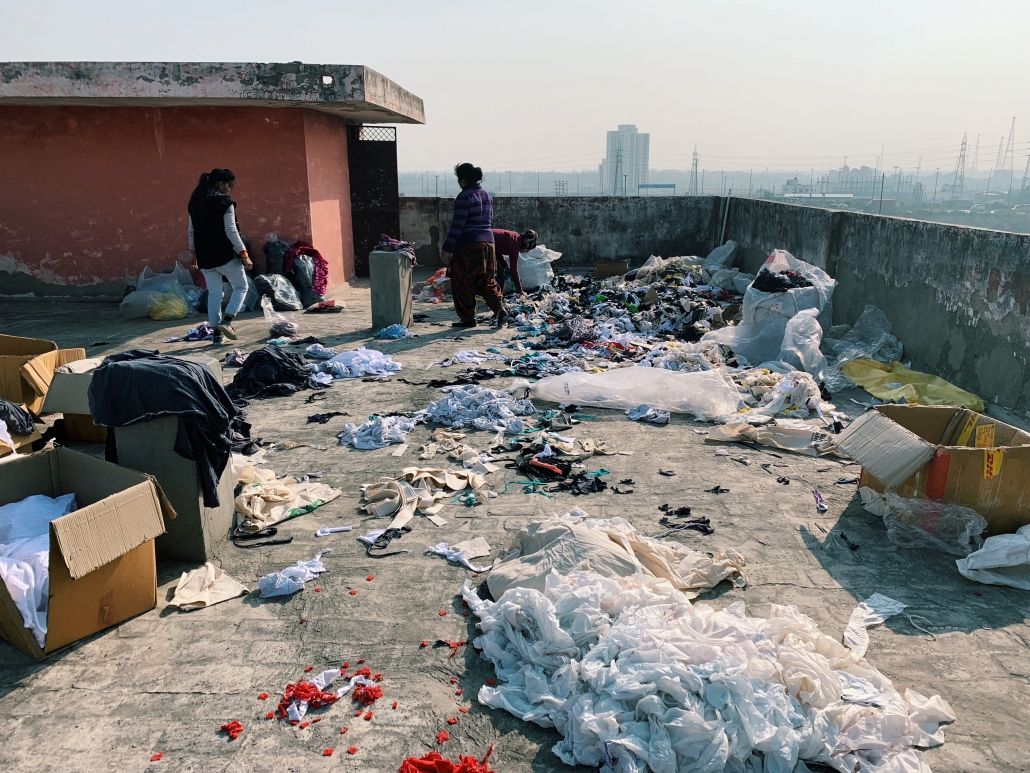
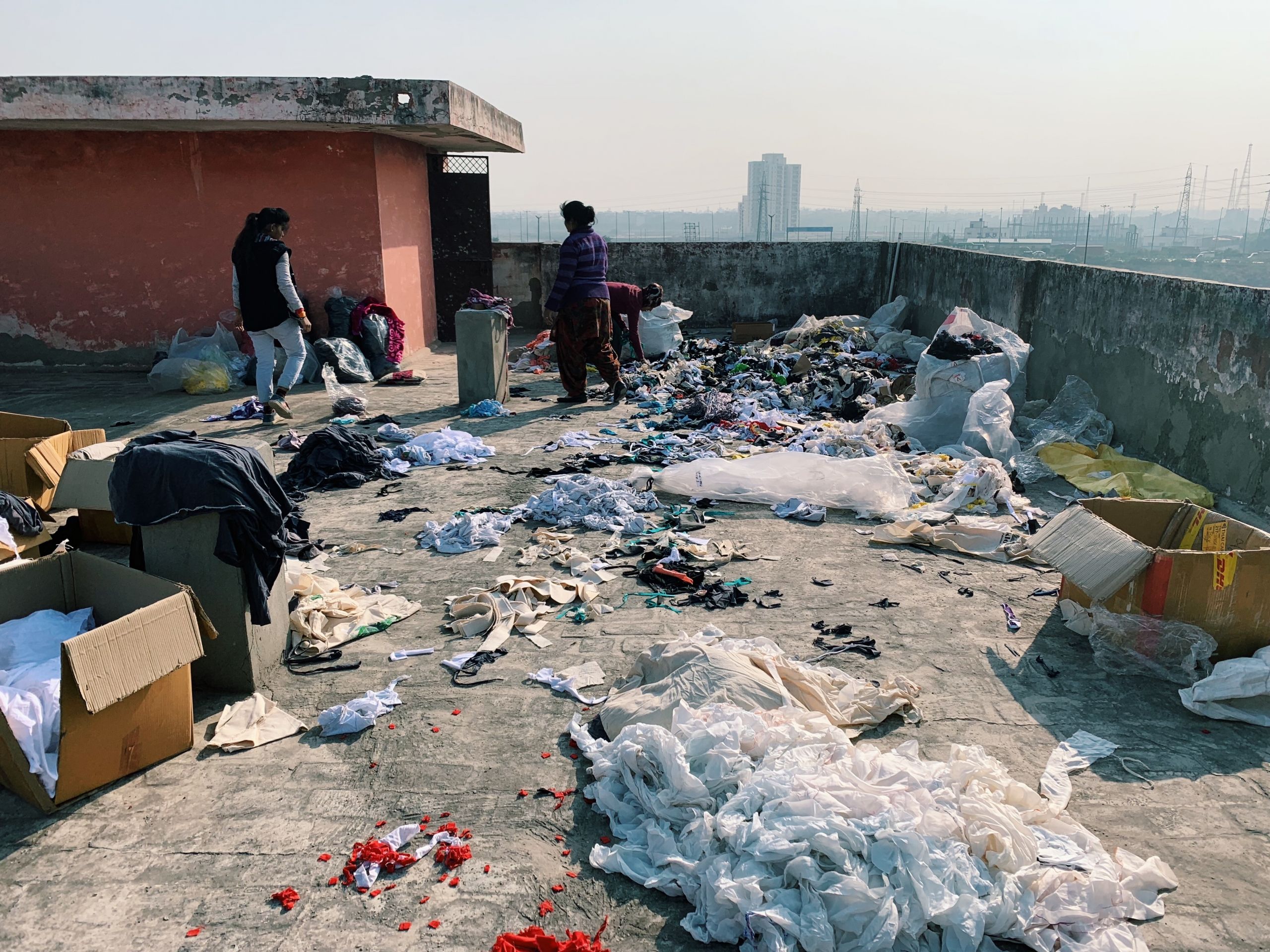
- Textile-to-textile (about 5–8%): old polyester garments or factory cutting-room scrap mechanically or chemically reprocessed into new fiber. Still niche; the mechanical separation of polyester from other fibers in a mixed garment is expensive and most T2T output is actually post-industrial scrap (new, clean factory offcuts), not end-of-life consumer goods.
- Other/blended (the rest): mixed feedstocks, unverified sources, or labeled-as-rPET fiber that isn't.
The bottle-sourced stream has a real environmental story: the energy cost of turning a bottle into fiber is 25–45% lower than extracting petroleum for virgin polyester. The T2T stream has a better story on paper (closing the textile loop instead of cross-subsidizing packaging recycling) but a much weaker supply story (small volumes, higher cost).
Why GRS is the line between a claim and a slogan
The Global Recycled Standard (GRS) is the certification that turns "rPET" from a word into a chain of custody. GRS-certified fiber comes with:
- Verified recycled content at a minimum of 20% (most apparel-grade rPET is 90–100% recycled content)
- Third-party chain of custody from the flaking/melting facility through spinning, knitting, dyeing, and cut-and-sew
- Social and environmental criteria at every facility (similar to GOTS for organic fiber)
- Restricted chemistry on dyes and finishes
Uncertified "rPET" is nothing structurally different from the word "organic" on a cotton label without GOTS: the fiber was probably mostly what it claims to be, but you cannot prove it, the processing chemistry is unregulated, and a label claim about recycled content could be legally challenged with no defense.
RCS (Recycled Claim Standard) is a lighter-weight cousin — verifies recycled content and chain of custody, but not social/environmental criteria at the facility level. Useful if the brand's claim is strictly about fiber source; inadequate if the brand claims "sustainably made."
The microplastic asterisk
Every synthetic garment sheds microfibers when washed. Recycled polyester sheds a bit more than virgin polyester, on average, because the recycling process shortens the polymer chains slightly. The shedding is not dramatically different, but it's not zero and it's not less.
This matters because the rPET sustainability narrative often gets extended to "sustainable because it reduces microplastic pollution." That claim is false. The microplastic shedding of rPET is comparable to or slightly worse than virgin polyester. Brands making environmental claims about rPET should not include microplastic reduction as one of them — that's a claim that doesn't survive scrutiny.
What does reduce microplastic shedding: tighter weaves, longer staple fibers, front-loading washers, cold water, and fabric-appropriate washing frequency. Fiber source is a small lever; product design and user behavior are large levers.
When rPET genuinely beats virgin
The honest answer: in three scenarios, rPET is a real win over virgin polyester.
- Performance apparel where polyester is the right fiber anyway. Athletic wear, technical outerwear, swimwear, bags — products where polyester is chosen for function, not cost. The fiber-source swap from virgin to GRS-rPET is pure upside: same performance, 30% less upstream energy, real chain-of-custody story.
- Products where the comparison is virgin polyester, not cotton. rPET beats virgin polyester on most life-cycle metrics. rPET does not beat organic cotton, Tencel, or wool on most life-cycle metrics. If your choice is "rPET vs virgin poly," go rPET. If your choice is "rPET vs organic cotton," the better answer depends on the specific product and wear pattern.
- Closed-loop scenarios with real T2T sourcing. Some brands (Patagonia's Worn Wear line, a few European outdoor brands) have genuine textile-to-textile programs that close the loop. If you can source T2T rPET and verify it, that's the strongest sustainability claim available for a synthetic fiber.
When rPET is a story without substance
Three situations where rPET stops being a real sustainability play:
- Uncertified fiber on a labeled sustainability claim. Exposes the brand to greenwashing challenges and delivers no verified environmental benefit.
- Cotton substitution based on rPET alone. If you were going to make a cotton product and switched to polyester "because it's recycled," you've traded a fully biodegradable natural fiber for a plastic that will shed microfibers for every wash of its useful life. The sustainability math doesn't work unless the product-use case demands synthetic.
- Bottle-sourced rPET at scale eating the bottle-recycling feedstock. At the macro level, diverting post-consumer PET bottles into apparel means those bottles aren't being recycled back into bottles (a true closed loop). The apparel use is a one-time downcycle — the garment won't realistically be recycled again. Critics argue this is robbing Peter to pay Paul; defenders argue the apparel use still outperforms virgin polyester. Both are partially right.
The buyer's takeaway
rPET is a good fiber for the products where polyester is genuinely the right choice. It's a real, verifiable environmental improvement over virgin polyester when GRS-certified. It is not a substitute for cotton, it is not a microplastic-reduction story, and uncertified rPET is a label claim waiting to fail an audit.
The brands that use rPET honestly pair it with a clear statement: "100% GRS-certified recycled polyester" — fiber source verified, processing certified, no extended claims about ecosystems or microplastics. That's the claim that holds up.
Frequently asked questions about recycled polyester
Is uncertified rPET worth anything?
Marginally. Without GRS or RCS certification, "rPET" is a claim with no chain-of-custody — the mill can blend virgin and recycled fiber at any ratio and still use the label. Some factories are honest about this; most are not. For a brand making a sustainability claim on packaging, uncertified rPET is a legal risk and a credibility risk. For internal use where the claim won't leave the building, the environmental delta over virgin polyester is small enough to not bother with.
Does rPET shed fewer microplastics than virgin?
No — if anything slightly more, because recycled fiber has shorter average chain lengths and breaks down faster in the wash. Microplastic shedding is a product-design and washing-practice issue, not a fiber-source issue. Tightly woven fabrics shed less than loose knits; front-loading washers shed less than top-loaders; cold-water washes shed less than hot. Treating rPET as a microplastic solution is backwards.
What's the cost premium of GRS-rPET vs virgin polyester?
On the fiber itself, GRS-certified rPET is 15–35% more than virgin polyester in 2026 (the premium has narrowed as supply has scaled). At the finished-garment level the premium is smaller — 5–12% — because polyester is a smaller share of finished-good cost than it is of fabric cost. On a $12 wholesale polo, the GRS-rPET version adds roughly $0.80–$1.50 to COGS.
Are textile-to-textile rPET claims real yet?
Limited but growing. As of 2026, textile-to-textile (T2T) recycling at commercial scale is about 5–8% of the total rPET market, and most of that is post-industrial scrap (factory offcuts) rather than post-consumer garments. True post-consumer T2T is still pre-commercial for most applications — pilot programs from specific brands exist, but affordable T2T rPET on a bulk quote is usually post-industrial.
Related reading
- GOTS vs "Organic Cotton": What's Actually Certified — same certification logic, different fiber.
- Tencel vs Modal vs Viscose: A Sustainability Comparison — when cellulosic fibers beat synthetics for the same use case.
- Reading a Fabric Spec Sheet — what the actual fiber-composition fields look like on a factory quote.
Found this useful?
Share it with your network