
Product passports, QR codes, and turning real compliance work into claims customers can verify — without greenwashing your way into a complaint.
Shoppers have learned to be skeptical of sustainability marketing, and regulators have started acting on it. A brand that says "ethically made" without anything to point at is a brand one viral post away from a reputation crisis. This pillar is about the honest version: what traceability actually takes, how product-level transparency works, and how to write claims that survive scrutiny.
Traceability is a supply-chain fact, not a marketing tool
Traceability means you can answer, at any time: where was this made, by whom, under what conditions, from what materials, and with what certifications. It's built from the same documents you need for compliance — audit reports, certificates, purchase records — organized so they can be verified. The brands doing this well didn't invent a technology; they organized their paperwork.
Product passports and QR codes
A product passport (physical QR or NFC on the garment) links a specific product to its documented story: factory, audits, materials, certifications, and often a timestamp of production. The QR is the easy part; the hard part is keeping the underlying record honest and current. European regulations (ESPR) are moving toward requiring this at scale, but the bar for early adopters is lower — and the trust dividend is real.
Writing claims that survive scrutiny
The rule: every claim must map to a document you can produce. "Organic cotton" needs a GOTS certificate covering your supply chain. "Fair trade" needs a certifier and a premium paid into a worker fund. "Ethically made" needs an audit trail. If you can't produce the document in a day, the claim is a risk, not an asset.
Who this pillar is for
Brands putting sustainability language on packaging or product pages, founders preparing for EU due-diligence rules, and marketing teams who want the story to be true before they tell it.
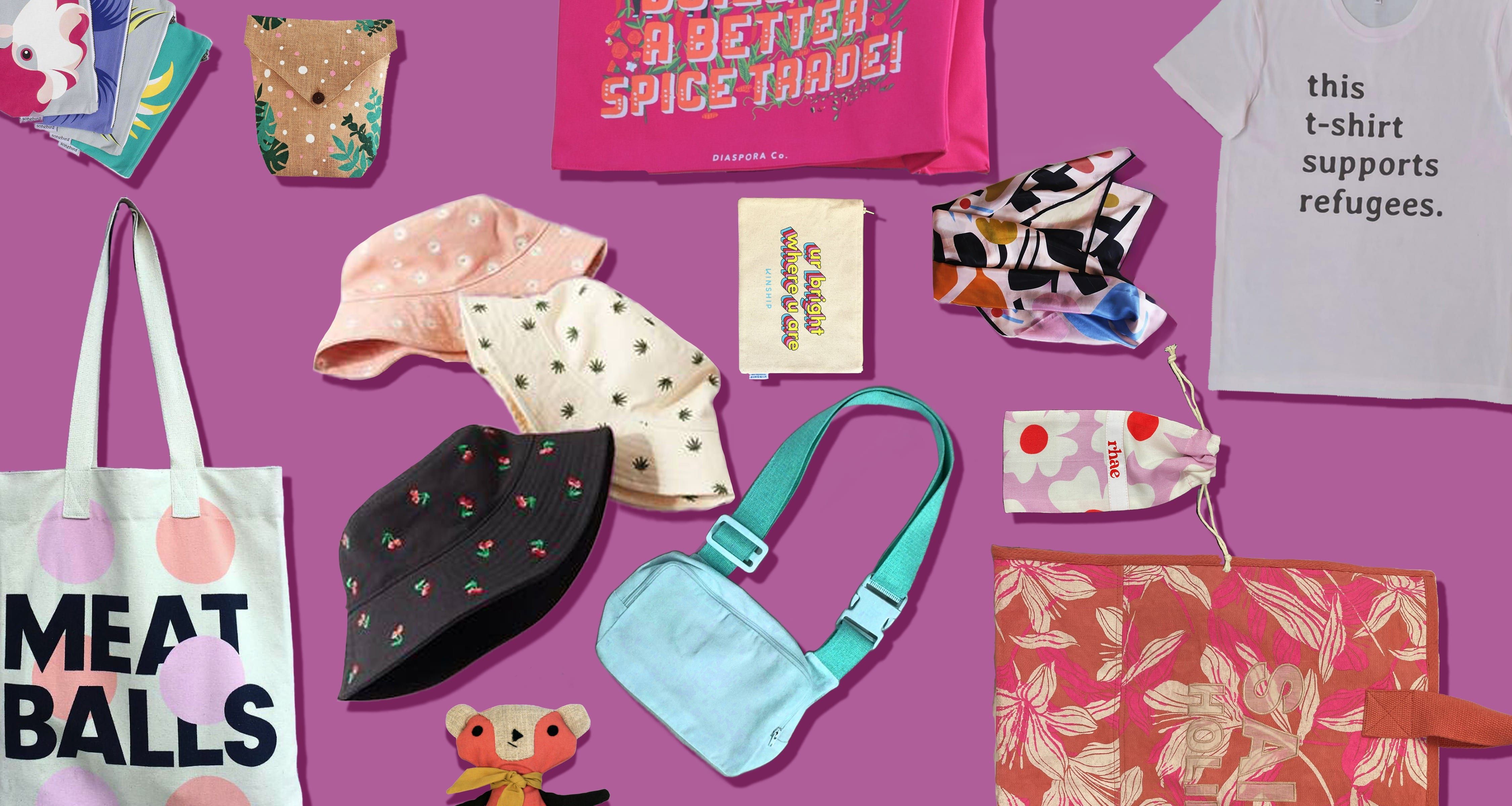
Want to see what traceability looks like?
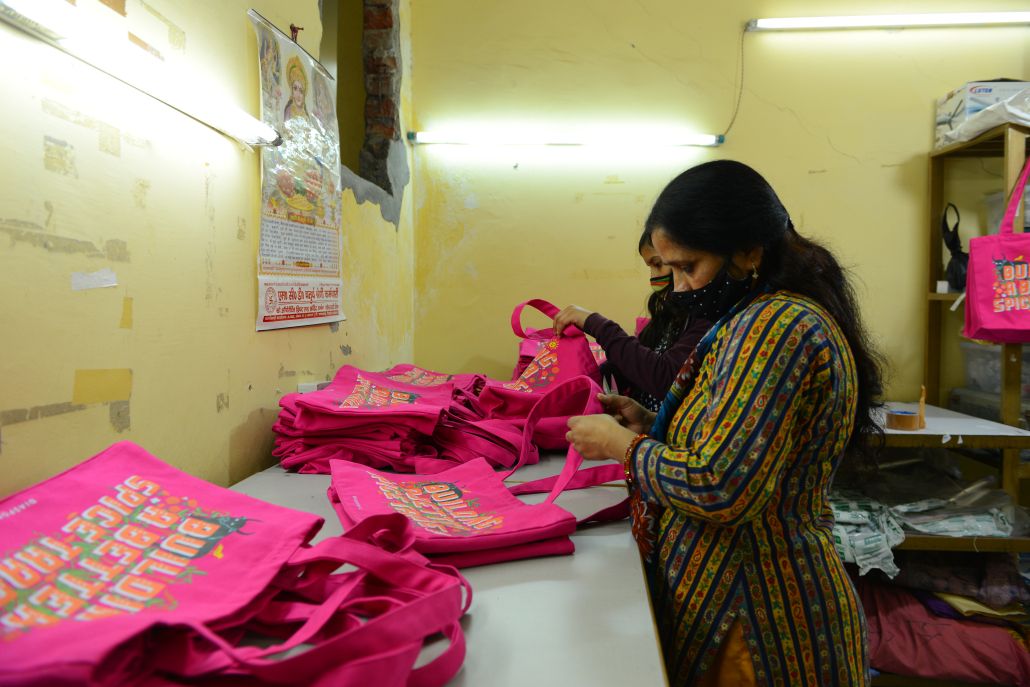
Our production documentation — audits, certifications, worker profile — is the same record we'd put behind your product's passport.
In this pillar
3 guides to read
Product Passports & QR Codes for Apparel
How a QR code on a care label connects a garment to its documented story — and why the QR is the easy part and the honest record is the hard part.
How to Write Sustainability Claims That Survive Scrutiny
The one rule that keeps your marketing honest: every claim must map to a document you can produce in a day. Here's the checklist and the language.
What Traceability Really Takes: The Document Trail
Traceability is organized paperwork, not magic. The documents you need, where they come from, and how to keep them current as your supply chain changes.
Ready when you are
Talk to our production team
We work with emerging and established apparel brands on ethical, women-led production in India. If you have a tech pack or even just a concept, we can walk you through what's possible.
New work, straight to your inbox.
Occasional notes on new products, partner stories, and behind-the-scenes from our workshop. A few emails a year — no spam, unsubscribe any time.
By subscribing you agree to our privacy policy.