Every sustainability claim on your site, hangtag or packaging is an invitation to be checked. The brands that thrive treat that as a feature — because a claim that survives checking is the strongest marketing asset they own. Here's the system.
The one rule
Every claim must map to a document you can produce in a day.
- "Organic cotton" → a GOTS certificate covering your supply chain
- "Fair trade" → a certifier and a premium paid into a worker fund
- "Recycled polyester" → an RCS/GRS certificate with the recycled percentage
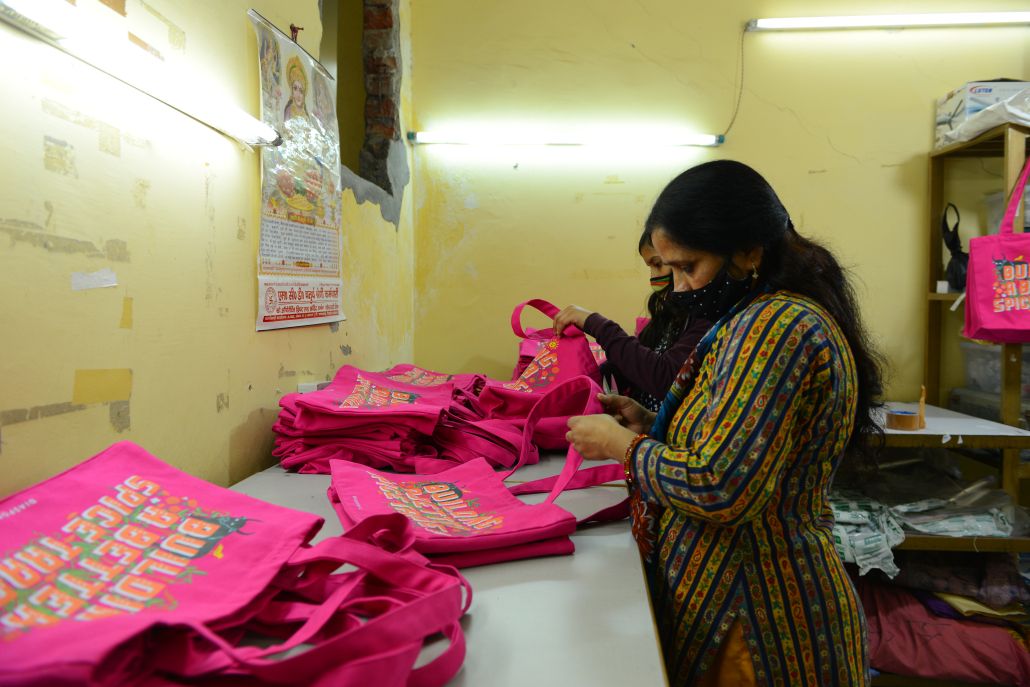
- "Made in a women-led factory" → the factory profile and your sourcing policy
- "Plastic-free packaging" → a component-by-component packaging audit
If you can't produce the document tomorrow morning, the claim is a risk, not an asset. One well-publicized check that finds nothing behind your language is worth more damage than a year of vague marketing built.
Specific beats vague
"Ethically made" invites the question "according to what?" "Made in an SA8000-audited factory" pre-answers it. Specificity is not just more defensible — it's better marketing, because it tells the customer exactly what you did rather than asking them to trust a mood.
The claims checklist
Before a claim ships, run it through this:
- [ ] Every adjective has a document behind it
- [ ] The document covers the specific product being claimed (a fiber cert covers fiber, not the factory)
- [ ] You use regulated terms correctly (certified, verified, audited — not "eco-friendly")
- [ ] The claim is specific enough to be checked and survive
- [ ] It's dated and updatable — claims age, and so do certificates
Frequently asked questions about sustainability claims
What's the difference between a claim and greenwashing?
A claim is a statement backed by a document you can produce. Greenwashing is a statement you hope nobody verifies. The test is brutally simple: can you produce the certificate, audit, or record behind every adjective in 24 hours?
Can I say "ethically made"?
You can, but it's the least specific and most regulated-sounding claim you can make. A better version names the mechanism: "made in an SA8000-audited factory" or "produced in a women-led factory in Delhi." Specific claims are stronger marketing AND harder to attack.
How do regulators police claims?
The EU has proposed a Green Claims Directive that would require substantiation for environmental claims; several countries (UK, France, Norway) already enforce against misleading sustainability marketing. Enforcement usually starts with a complaint, and complaints start with a claim that overreached.
Related reading
- Product Passports & QR Codes — the verifiable record that backs the claims you write.
- What Traceability Really Takes — organizing the documents behind the claims.
- Supply Chain Transparency & Compliance — knowing what each certification actually covers before you claim it.
Found this useful?
Share it with your network