
The garment industry employs tens of millions of women worldwide. What does it look like when the factory floor is also led by women?
The global garment industry is majority-female on the factory floor and overwhelmingly male in the offices above it. That gap shapes everything from wages to working hours to how grievances are handled. This pillar is about what changes when women lead.
The numbers
Roughly 60-80% of the world's garment workers are women, with the share reaching 80%+ in Bangladesh, Sri Lanka, and Cambodia. In India, the national share is lower (closer to 30-40%) but specific clusters like Tirupur and Delhi skew much higher. Management roles — supervisors, line leads, floor managers — trend male almost everywhere.
What a women-led factory actually looks like
It's not a marketing claim. Concretely, it means:
- Women in supervisory and floor-management roles, not just stitching lines
- Schedules that work for caregiving responsibilities — reasonable start/end times, paid leave that covers childcare, no forced overtime
- Onsite amenities that recognize women workers exist — clean separate sanitation, a lactation room, a childcare arrangement (onsite or subsidized)
- Grievance channels that don't require reporting a male supervisor to a male manager to a male owner
- Visible pathways from line worker to supervisor — training, mentorship, promotions that actually happen
Why it matters commercially
Factories with female leadership report lower turnover, fewer grievances, and better quality consistency — the same things a sourcing lead measures when deciding whether to sign a long-term partnership. Impact and commercial performance are not in tension here.
Who this pillar is for
Brand leads whose customers care about gender equity in supply chains, compliance teams building out measurable social-impact KPIs, and founders whose brand story is inseparable from where and how their product is made.
In this pillar
4 guides to read

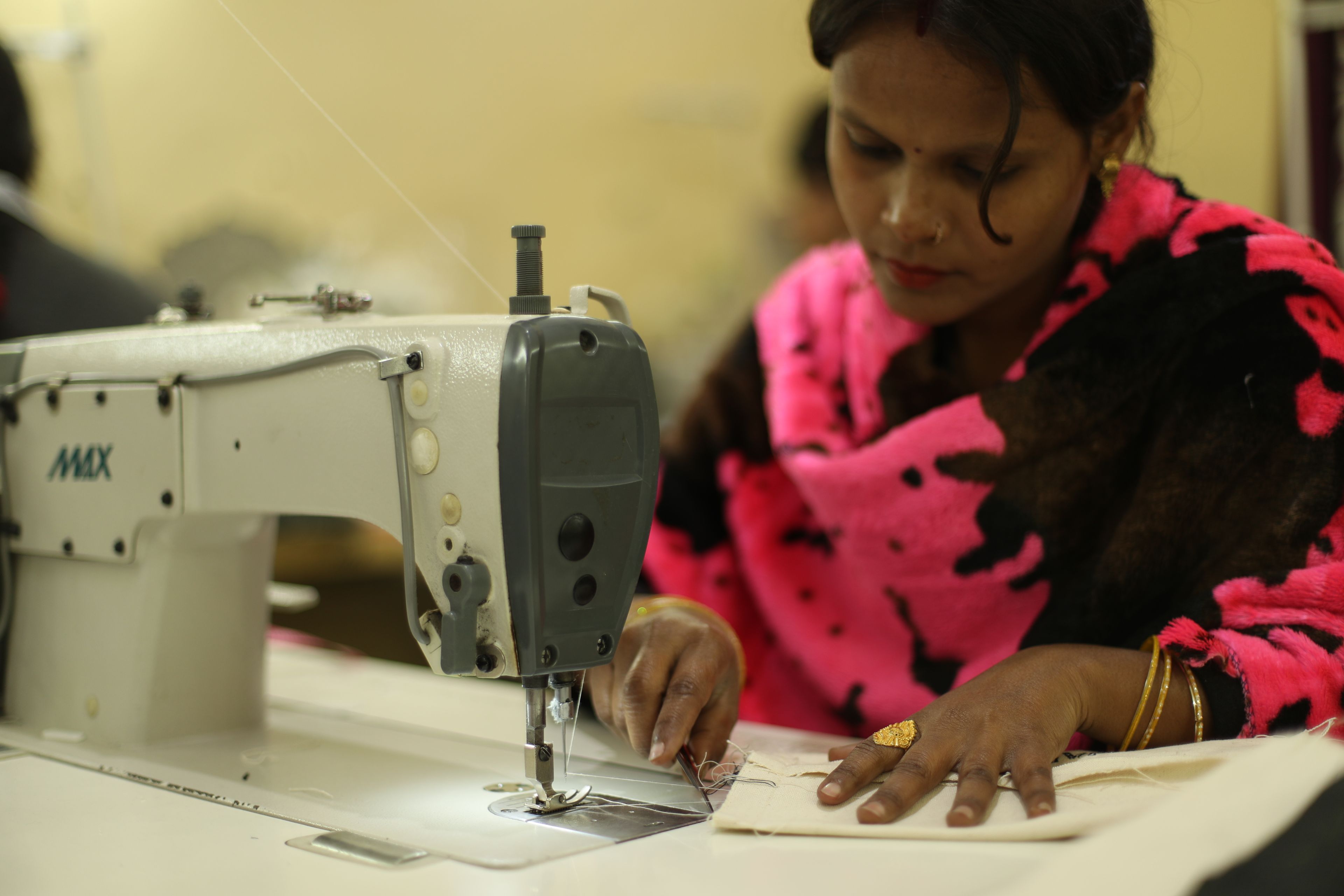
Women in India's Garment Industry: The Numbers Behind the Story
The Indian apparel industry employs millions of women — and systematically pays them less, promotes them less, and audits their workplaces less than the men stitching next to them.
Living Wage vs Minimum Wage: 4 Questions That Reveal Which Your Factory Pays
Every factory says they pay fair wages. The useful question isn't whether they do — it's how you check. Four questions that separate rhetoric from actual compensation structure.
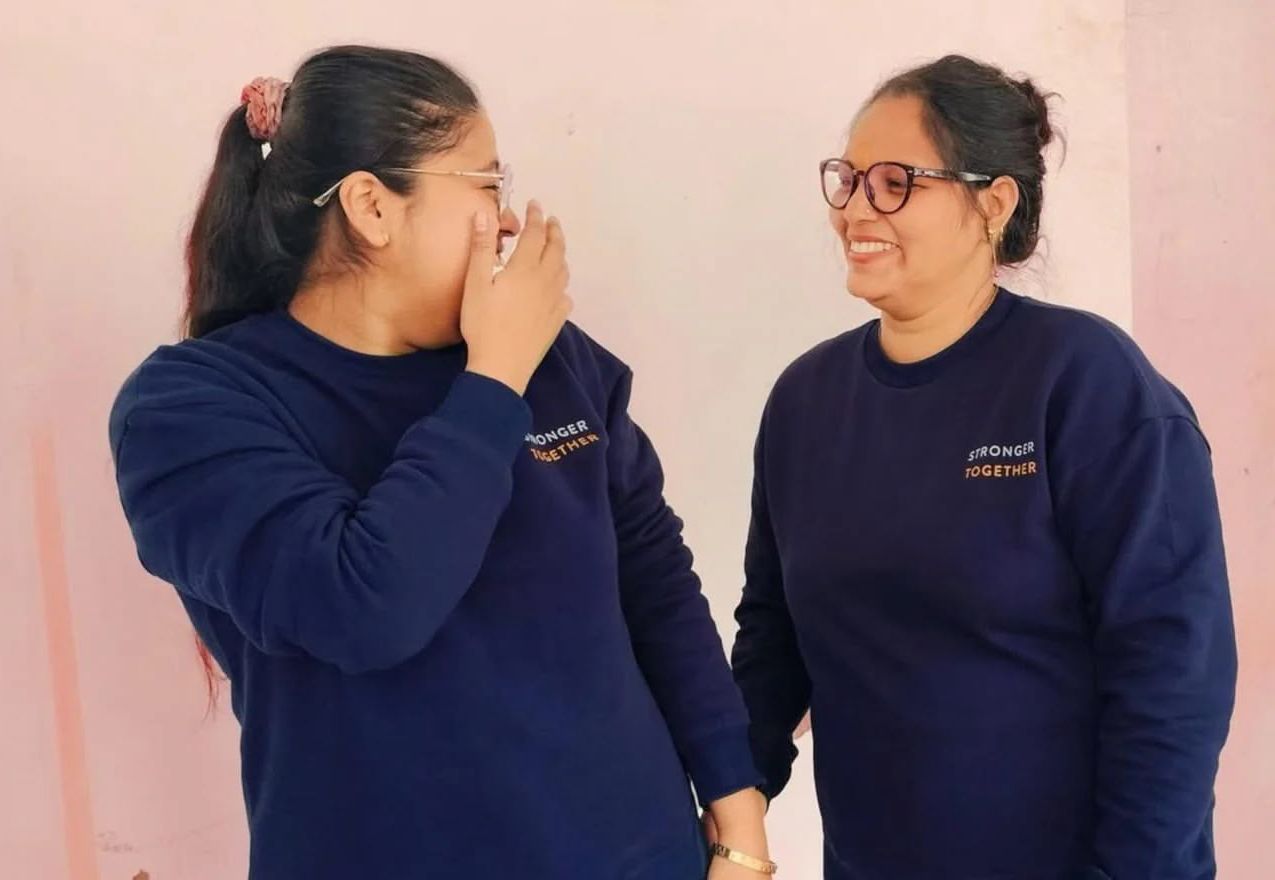
Women-Led Isn't Women-Owned: The Four Ownership Models
"Women-led," "women-owned," "majority-female workforce," and "women-managed" describe four different things. Here's what each one actually means on the factory floor — and why the distinction matters when a brand makes a claim.
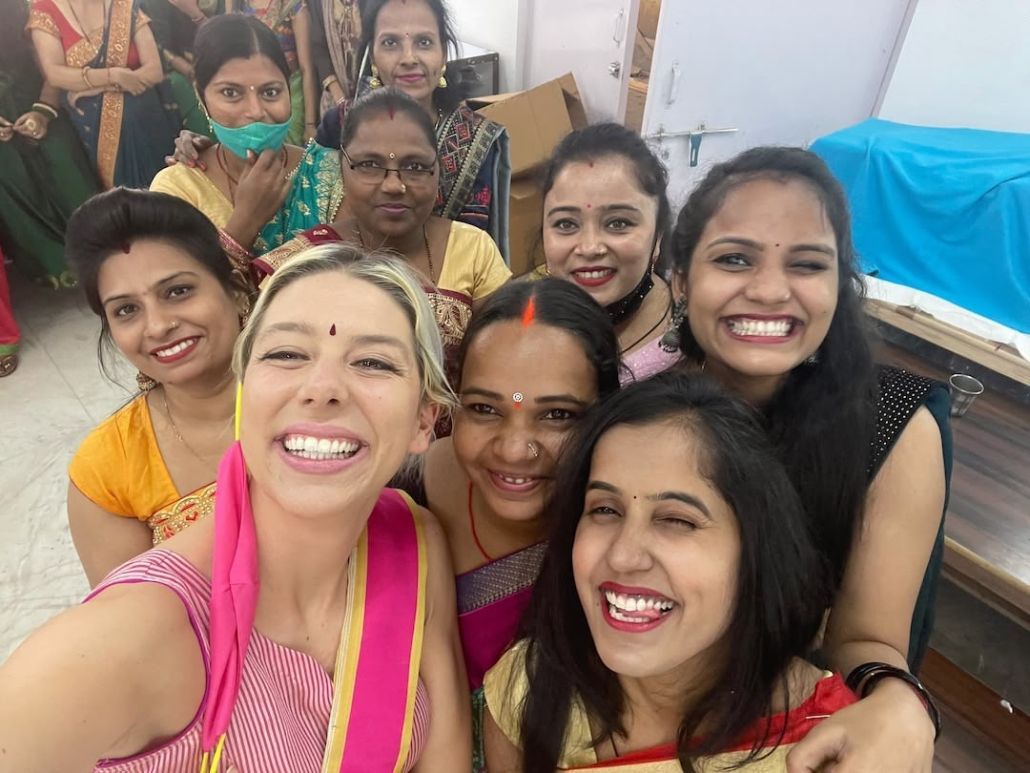
What a Women-Led Factory Floor Actually Changes
There's a difference between "employs women" and "led by women." On the factory floor, it shows up in retention, grievance handling, and quality — not marketing copy.
Ready when you are
Talk to our production team
We work with emerging and established apparel brands on ethical, women-led production in India. If you have a tech pack or even just a concept, we can walk you through what's possible.
New work, straight to your inbox.
Occasional notes on new products, partner stories, and behind-the-scenes from our workshop. A few emails a year — no spam, unsubscribe any time.
By subscribing you agree to our privacy policy.