Labels are the part of a garment most brands design last and regret first. They're also legally the most scrutinized square centimeters of your product. Here's the compliance baseline for the three labels every garment carries.
What must be on each label
Main label (sewn-in). Fiber content, country of origin, and your registered brand or company name. In the US, the FTC requires fiber content and origin be disclosed on a permanently attached label. The EU's Textile Regulation has its own fiber-format rules. Both markets care about country-of-origin; neither accepts a sticker in place of a sewn-in main label.
Care label (sewn-in). Wash, bleach, iron, dry and dry-clean symbols following ISO 3758. Symbol sets are broadly international, but the order and formatting rules vary slightly by market. Get the symbols right; wrong care instructions are a returns driver.
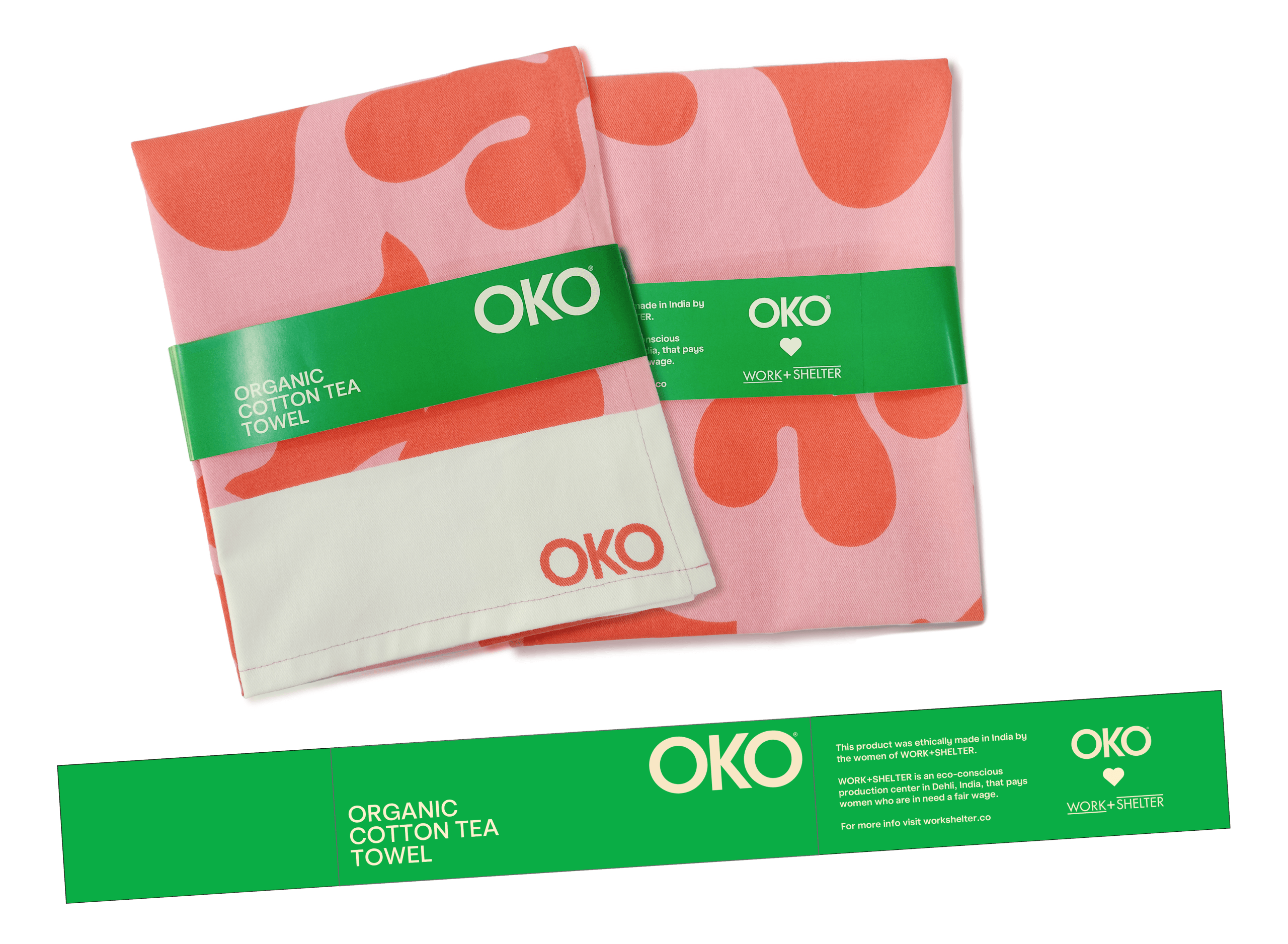
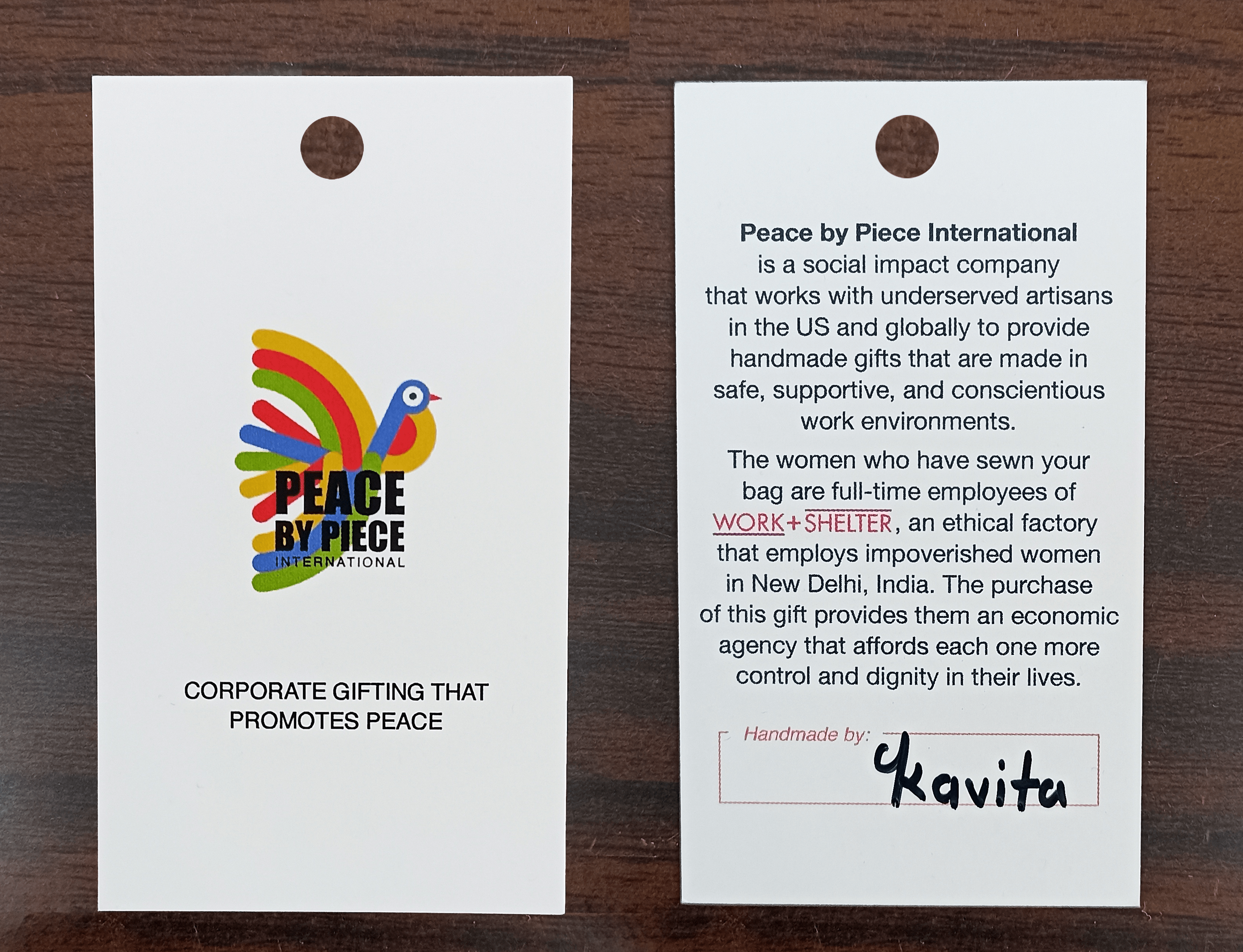
Hangtag (attached). Your brand face — and where most sustainability claims live. No hard legal format, but the claims on it are regulated: "organic," "fair trade," "recycled" all trigger documentary requirements. A claim without a document is a complaint waiting to happen.
The artwork-to-print pipeline
Labels are printed from approved artwork, usually before or alongside the PP sample. The workflow that avoids a re-quote:
- Approve main/care label content during sampling (it affects the garment, and a care-label change mid-production means re-stitching every unit).
- Approve hangtag artwork before the bulk PO is placed — it's print-only, but a reprint still costs time and money.
- Send print-ready files (vector artwork, correct color space) and approve a physical proof before bulk.
The expensive mistake
Re-spec'ing labels after the bulk PO is placed. A main-label change triggers re-stitching, a hangtag change triggers a reprint, and both trigger a re-quote on the whole run. Label decisions made calmly during sampling are free; label decisions made in panic after the PO cost real money.
Frequently asked questions about apparel labels
Do I need different labels for different markets?
Often yes. The US requires fiber content and country-of-origin on a permanently attached label (FTC rules); the EU requires fiber percentages, and its Textile Regulation has its own format. Care symbols follow ISO 3758 and are broadly standard, but country-of-origin rules differ. If you sell into multiple markets, spec per market or use the strictest.
Can I put sustainability claims on a hangtag?
You can, but every claim needs a verifiable document behind it — a GOTS certificate for organic, a certifier for fair trade. Regulators (and consumers) increasingly check. See the traceability pillar for how to do this safely.
When do I approve label artwork?
During the pre-production stage, alongside the PP sample. Labels are cheap and fast to reprint, but they're printed against your approved artwork, so an artwork error reprints across the whole bulk order.
Related reading
- Incoterms for Apparel Buyers — the shipping terms that decide who owns the labels' journey.
- Sustainable Packaging for Apparel — the hangtag card and polybag choices that pair with your labels.
- Telling Your Sourcing Story — putting compliant claims on that hangtag without greenwashing.
Found this useful?
Share it with your network